


If you’ve spent your whole life feeling slightly out of sync with the people around you-rehearsing conversations, dreading small talk, or wondering why everyday environments leave you drained-you’re not alone. An estimated 5.4 million American adults have autism spectrum disorder, yet many adults go decades without an accurate diagnosis. Many autistic adults only discover they’re on the autism spectrum in their 30s, 40s, or even later, often after years of being told they’re “just anxious” or “too sensitive.”
Understanding autism in adults matters because the signs don’t always look like the stereotypes. Autism diagnoses have increased significantly since 2011, but recognition still lags far behind in women, people of color, and anyone who learned to hide their differences early. At Texas Counseling Center, we provide neurodiversity-affirming adult autism evaluations across Houston, Dallas, and via telehealth throughout Texas-because getting clarity shouldn’t require a fight.
Why Adult Autism Is So Often Missed
Autism spectrum disorder is a lifelong neurodevelopmental condition defined in the diagnostic and statistical manual (DSM-5-TR) by the American Psychiatric Association. It involves differences in social communication and social interaction, alongside restricted, repetitive patterns of behavior-including sensory differences. It doesn’t appear suddenly in midlife; it’s been there since early childhood, even if nobody noticed.
So why do so many adults reach adulthood without a diagnosis? Several forces work together: masking (hiding autistic traits to fit in), co-occurring conditions like anxiety or ADHD that draw clinical attention away from autism, and deeply ingrained stereotypes that autism only affects white children or young boys with obvious traits. High academic or professional achievement can further obscure the picture, because clinicians may assume that success rules out autism.
Recognizing signs of autism in adults isn’t about labeling flaws. It’s about accessing the right support, accommodations, and self-understanding. Undiagnosed autism can lead to confusion and mental health issues that persist for years-and a formal diagnosis can provide validation for feeling different your entire life.

Subtle Social and Communication Signs in Autistic Adults
The common signs of autism in adults related to social communication are rooted in DSM-5-TR diagnostic criteria, but they’re frequently masked or misread as shyness, social anxiety, or introversion. Not every autistic person will share every trait-these are common characteristics and patterns, not a self-diagnosis checklist.
Feeling Socially “Out of Step” Despite Trying Hard
Many autistic adults describe a lifelong sense of missing a “social rulebook.” They struggle with unwritten social rules-how long to hold eye contact, when to laugh, how quickly to respond to a text. This chronic difficulty understanding social expectations leads to exhaustion and anxiety, not because they don’t care about people, but because the rules never feel intuitive.
These adults may rehearse conversations before phone calls, script small talk for work events, or spend hours analyzing interactions afterward. Challenges include difficulties with back-and-forth conversation and reading social cues, which can make maintaining friendships feel like a part-time job. Autistic adults often struggle with social-emotional reciprocity-not from a lack of empathy, but from processing differences. This is often mistaken for social anxiety alone.
Literal Thinking and Direct, Honest Communication
A common autistic trait is taking things literally. When someone says, “We should get coffee sometime,” an autistic adult may check their calendar and suggest a date-only to realize it was never a real invitation. Difficulty understanding sarcasm, idioms, and nonverbal communication is widespread. Social communication styles may include delayed processing and a preference for directness that others may misinterpret as blunt or rude.
Many autistic adults value clarity and struggle when given vague instructions or expected to “read between the lines.” In relationships and at work, this communication style can trigger misunderstandings if supervisors or partners misread it as an attitude problem rather than a genuine difference in how information is processed.
Masking: Performing “Normal” Social Behavior
Masking is hiding autism traits to appear neurotypical. It involves consciously or unconsciously copying others’ gestures, facial expressions, body language, and conversation patterns. Masking strategies are used by adults with autism to navigate social environments-mirroring how colleagues laugh, forcing comfortable-seeming eye contact, suppressing the urge to stim.
Masking autism symptoms can lead to anxiety and exhaustion. Research confirms that chronic masking is linked to higher rates of depression and suicidal thoughts in autistic adults. High masking is more prevalent in autistic females than males, and masking can obscure autism signs, complicating diagnosis-especially for autistic women, AFAB individuals, and BIPOC adults. Many autistic adults mask behaviors to avoid bullying or judgment, often since a young age.
Preference for Solitude and Carefully Chosen Social Circles
Many autistic adults prefer solitude to avoid social exhaustion. This doesn’t mean they dislike people. They often thrive in one-on-one conversations, structured social settings, or written communication-but large, noisy gatherings drain them quickly. Autistic people commonly have trouble making friends not because of disinterest, but because the energy cost is enormous.
Constantly pushing past these limits in social situations can trigger burnout, meltdowns, or physical symptoms like insomnia and headaches. An adult who excels at remote work but dreads open-plan offices isn’t being difficult-they’re managing a nervous system with different needs.
Restricted, Repetitive Behaviors and Special Interests in Adulthood
Restricted and repetitive behaviors are a core part of autism spectrum disorder. In adults, these often look different than in children-less obvious, more internalized, and sometimes socially acceptable enough to fly under the radar. These traits aren’t inherently negative; they frequently come with strengths like deep knowledge and reliability.
Stimming: Subtle Self-Soothing Behaviors
Stimming (self-stimulatory behavior) in adults often includes finger tapping, foot bouncing, humming, hair twirling, rubbing textures, or repeating words and phrases quietly. More visible forms like hand flapping or toe walking may have been suppressed over time. Stimming helps regulate emotions and sensory input-suppressing it tends to increase anxiety.
Repetitive behaviors include hand flapping and strict routines, but in adults, stims may be so subtle that only the autistic person notices them. Repetitive movements serve a regulatory purpose and deserve respect, not forced elimination.
Routines, Rituals, and Resistance to Sudden Change
Strong preference for routines is a hallmark: same route to work, same lunch, specific bedtime rituals. Adults with autism may experience anxiety from unpredictable situations-a meeting moved to a new room or last-minute dinner plans can trigger disproportionate stress or shutdown. Creating structured support through routines can assist adults with autism, and coping strategies like calendars, checklists, and visual schedules are practical tools a therapist can help build.
In workplaces, this is often misread as inflexibility or “control issues” rather than recognized as an autistic trait tied to certain behaviors that serve a genuine regulatory need.
Special Interests vs. “Normal” Hobbies
Autistic adults often have intense, narrow interests or hyperfixations that go far beyond typical hobbies. These specific interests are defined by their intensity, the time spent, the depth of knowledge achieved, and their importance to identity. Autistic individuals may spend hours researching their interests-memorizing transit schedules, cataloging weather data, deep-diving into a TV series or historical period. Special interests can provide comfort and a sense of identity, though they may occasionally disrupt social interactions when the person’s point of enthusiasm doesn’t match the group’s.
These interests can lead to deep knowledge of specific topics and fuel successful careers in IT, engineering, art, or research. When respected and channeled, narrow interests become professional assets.
Sensory Differences and Everyday Overwhelm
Sensory processing differences are now formally recognized as part of autism spectrum disorder. Sensory sensitivities are common in adults with autism, yet many have spent years believing they’re simply “too sensitive” or “picky.” Both sensory seeking and sensory avoiding can coexist in the same person, shifting with environment and stress level.
Hypersensitivity: When the World Feels Too Loud, Bright, or Scratchy
Autistic adults may experience hypersensitivity to sensory stimuli: fluorescent lights, layered sounds in restaurants, strong smells, scratchy clothing fabrics, or certain food textures. Autistic adults may struggle with textures in food and clothing that others barely notice. Behavioral signs include avoiding busy places, wearing sunglasses indoors, or cutting tags from every shirt.
Hypersensitive individuals may avoid environments with overwhelming stimuli entirely. An adult who dreads office potlucks due to noise, smells, and social pressure isn’t being antisocial-they’re protecting an overwhelmed nervous system. This pattern is frequently misdiagnosed as generalized anxiety rather than connected to adult autism and sensory issues.

Hyposensitivity and Sensory Seeking
Some autistic adults are sensory-seeking and enjoy sensory stimulation-deep pressure, intense movement, loud music, spicy foods, strong smells. They might prefer weighted blankets, pace while thinking, or crave roller coasters. Sensory seeking is often misinterpreted as ADHD hyperactivity or “risk-taking” rather than a sensory regulation need.
Therapists can help clients identify safe sensory-seeking strategies that improve focus and calm, like deep breathing exercises, weighted lap pads, or movement breaks during the workday.
Sensory Overload, Shutdowns, and Meltdowns
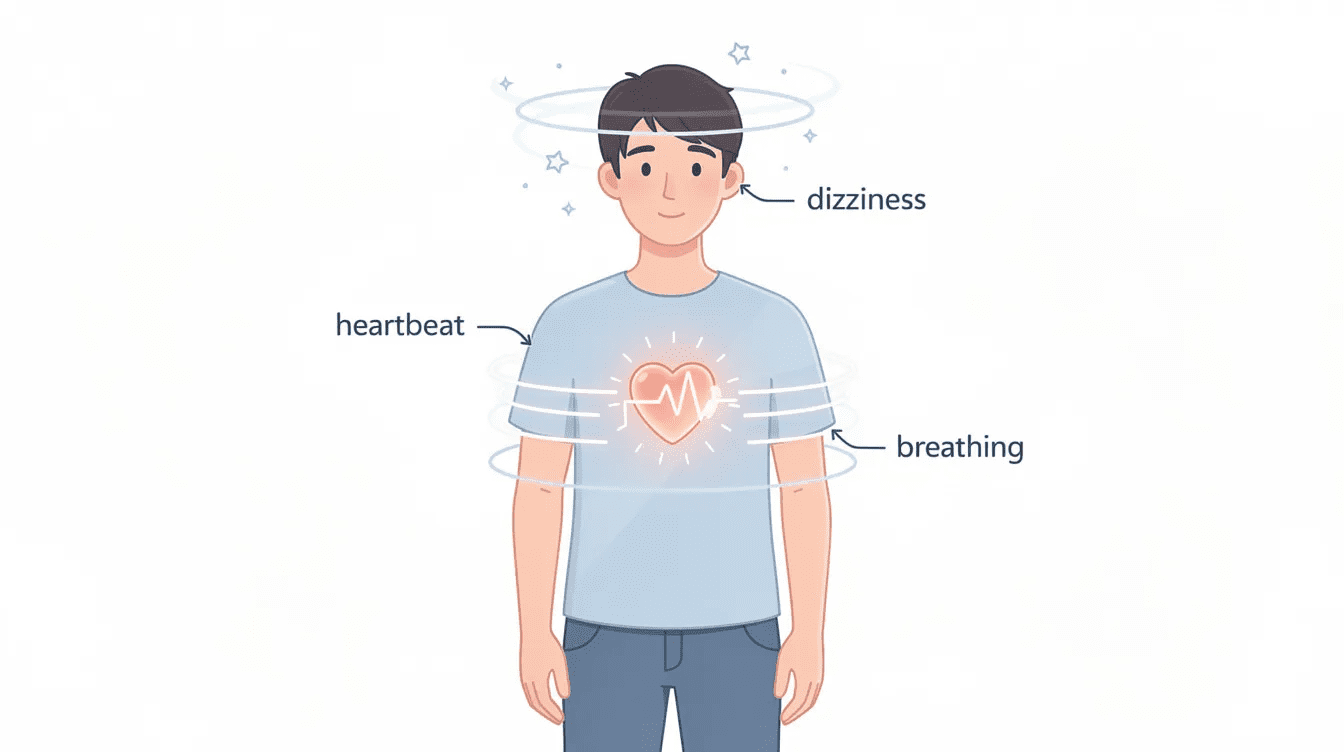
Sensory processing differences can lead to sensory overload in autistic adults when sensory input exceeds what the nervous system can process. The result may be a meltdown (outward distress-crying, pacing, feeling overwhelmed) or a shutdown (going quiet, numb, unable to speak). These are not tantrums. They’re signs of genuine overwhelm from sensory stimuli.
Modifying environments can help prevent sensory overload for autistic individuals. Practical strategies include leaving the environment, sensory management strategies like using noise-canceling headphones, deep pressure tools, and planning quiet time before and after demanding events.
Internal Experiences: Emotions, Thinking Styles, and Mental Health
Many of the most painful signs of autism in adults are invisible: emotional regulation difficulties, burnout, anxiety, depression, and unique cognitive styles. Co-occurring conditions can mask autistic traits and lead to partial diagnoses. Texas Counseling Center offers integrated ADHD evaluations alongside autism assessment, plus counseling for anxiety and depression.
Emotional Regulation Difficulties and “Big Feelings”
Many autistic adults experience emotional intensity and hyper-empathy-not the stereotype of being emotionless, but the opposite. Alexithymia (difficulty identifying and naming feelings) affects a significant portion of autistic people, creating a confusing disconnect between intense internal experience and the ability to communicate it. They may be told they’re “too sensitive” or “overreacting,” or conversely “cold” when emotions don’t show externally.
Evidence-based approaches like Cognitive Behavioral Therapy (CBT) are effective for managing autism-related challenges, including emotional regulation and anxiety.
Autistic Burnout in Adults
Autistic burnout is long-term physical, mental, and emotional exhaustion caused by chronic masking, sensory overload, and unsupported demands. Raymaker et al. (2020) defined it by three features: chronic exhaustion, loss of skills, and reduced tolerance to stimulus. Autistic burnout can result from prolonged masking and social demands, and it can resemble depression-but the root cause and recovery path differ.
Signs include a sudden drop in functioning at work or home, increased sensory sensitivities, and a persistent sense of “not being myself.” Recovery requires reducing demands, pacing, accommodations, and supportive therapy-not simply antidepressants. Autistic burnout requires recovery time that respects the underlying neurology.
Bottom-Up Thinking and Detail Focus
Many autistic adults process information bottom-up: starting with details, patterns, and specifics before forming a big picture. This means noticing typos others miss, excelling in data-heavy work, and struggling with vague instructions. This cognitive style is a common autistic trait and can be a significant professional strength. Research shows that attention to detail and pattern recognition are consistently identified as autistic strengths across studies.
Executive dysfunction is a common challenge for adults with autism too, making it hard to prioritize, initiate tasks, or switch between activities-even when the individual is highly capable.
Misdiagnosis, Co-Occurring Conditions, and AuDHD
Autistic adults are more likely to experience depression and anxiety than their non-autistic peers. A large healthcare records study found that about 47.6% of autistic adults had at least one diagnosed psychiatric condition-nearly 2.83 times the rate in the general population. Autistic adults often experience co-occurring conditions like anxiety and ADHD; in fact, 39% of autistic individuals also have ADHD.
Adults are often first labeled with anxiety, depression, obsessive compulsive disorder, or bipolar disorder without anyone considering autism. AuDHD (co-occurring autism and ADHD) creates overlapping asd symptoms-executive function issues, sensory differences, time blindness-that confuse diagnosing autism and diagnosing asd. Therapeutic support can help manage co-occurring conditions such as anxiety and ADHD when the full picture is understood. An accurate diagnosis through comprehensive autism assessment can improve medication choices, therapy focus, and self-compassion.
Gender, Culture, and Why So Many Adults Are Missed
Autism spectrum disorder shows up across all genders, races, and cultures-but access to autism diagnosis is far from equal. Stereotypes have left many adults signs unrecognized, particularly among people who don’t match the “young white male” prototype.
Women and AFAB Adults
Autistic women and AFAB individuals are often socialized to accommodate others, which amplifies masking. Their special interests tend to be socially acceptable-celebrities, animals, literature-and their intense effort to fit in can look like perfectionism or people-pleasing rather than autism. Clinicians may overlook autism in high-achieving women, attributing struggles to anxiety alone.
A common pathway to understanding autism in adulthood: a woman recognizes autistic traits only after her child is diagnosed, or after encountering adult autism content online. Family members often confirm lifelong patterns once the possibility is raised.
Trans, Nonbinary, and LGBTQ+ Autistic Adults
Research shows higher rates of autistic traits among transgender and nonbinary people compared with the general population. Identity exploration, sensory sensitivity, and social differences may intersect with gender and sexual orientation in complex ways. Affirming, inclusive autism assessment matters-autistic people deserve respectful care regardless of identity.
BIPOC Autistic Adults and Systemic Barriers
Black, Hispanic/Latinx, and Asian adults are historically underdiagnosed or diagnosed far later than white children and white adults. Factors include limited access to specialists, bias in referrals, and behaviors interpreted through racial stereotypes-labeled “defiant” or “oppositional” rather than considered through an autism lens. Other family members may also face cultural stigma around mental health and mental disorders that delays seeking evaluation. Culturally sensitive assessments from clinicians familiar with these disparities are essential.
How to Know When to Seek an Autism Assessment
Only a qualified professional can make an official autism spectrum disorder diagnosis. But self-reflection is a valuable starting point. Autism diagnosis in adults is based on current behavior and developmental history, including signs present before age 12 per the diagnostic criteria. Texas Counseling Center provides adult autism evaluations in Dallas and Houston, as well as via telehealth for eligible Texas residents.
Questions to Ask Yourself
Consider these questions honestly:
- Have you always felt different from peers, even when you “fit in” externally?
- Do you find social cues, body language, and facial expressions difficult to read in real time?
- Do you have intense interest in specific topics that others find unusual or excessive?
- Do you rely heavily on routines and feel distressed when they’re disrupted?
- Does sensory input (noise, light, textures) affect you more than it seems to affect others?
- Do you feel mentally exhausted after social interaction, even enjoyable ones?
- Have you been treated for anxiety, depression, or ADHD without feeling fully understood?
Answering “yes” to several isn’t a diagnosis-but it’s a strong reason to explore a formal assessment. Self-understanding can improve through diagnosis and learning about autism.
What an Adult Autism Assessment Involves
A comprehensive asd diagnosis typically includes clinical interviews, standardized questionnaires (AQ, RAADS-R, SRS-Adult), and sometimes ADOS-2-based tasks. Clinicians ask about childhood behaviors, school experiences, friendships, sensory patterns, and work history. Communication adjustments include requesting clarity and providing warnings for detailed explanations-good clinicians make this process comfortable.
Assessments may occur over one or more sessions, can be done in-office or via secure telehealth, and may be covered by some insurance plans. The process is collaborative and non-judgmental.
How to Start the Conversation
If you’re considering bringing this up with a partner, friend, or provider, try language like: “I’ve been learning about autism in adults, and a lot of it sounds familiar. Could we talk about it?” Bring notes or observations. Avoid framing it as “What’s wrong with me?”-instead, try “I’m trying to understand how my brain works so I can get the right support.”
Earlier diagnosis is associated with improved quality of life, and a formal diagnosis can improve access to support services and accommodations-including workplace protections under the Americans with Disabilities Act.
Living Well With Adult Autism: Support, Therapy, and Practical Strategies
An autism spectrum diagnosis isn’t an ending-it’s a better understanding of yourself. Many autistic adults build meaningful relationships, successful careers, and fulfilling lives when their needs are recognized.
Therapeutic Support and Skill-Building
Neurodiversity-affirming therapy focuses on self-acceptance, boundary-setting, and practical coping strategies rather than “fixing” autistic traits. Therapy can help with social communication skills, work accommodations, and relationship conversations. For autistic adults carrying trauma from bullying, rejection, or medical experiences, EMDR therapy and trauma-informed care can be transformative.
Social skills training adapted for adults can also help-not to force neurotypical behavior, but to build confidence in navigating social expectations on their own terms.
Managing Anxiety, Depression, and Co-Occurring Conditions
About 42% of autistic adults report clinically significant anxiety, and 37% report depression. These are often linked to chronic misunderstanding, sensory overload, and years of masking rather than standalone mental health conditions. Integrated care-therapy plus, when appropriate, medication management-can improve daily functioning significantly. Health care providers who understand autism can coordinate treatment more effectively.
Practical Everyday Accommodations
Concrete adjustments make a real difference:
- Flexible schedules or remote work days
- Noise-canceling headphones in open offices
- Written instructions instead of verbal-only directions
- Dimmer lighting or personal desk lamps
- Predictable routines with advance notice of changes
- Sensory avoiding strategies like choosing quieter restaurants
Texas Counseling Center can provide documentation supporting reasonable accommodations after a formal autism diagnosis, including emotional support animal evaluations for clients with anxiety or sensory needs.
Finding Community and Reducing Isolation
Support groups can help reduce feelings of isolation after diagnosis. Connecting with other autistic adults-through local groups in Houston or Dallas, online communities, or neurodiversity advocacy organizations-can be profoundly healing. The realization “I’m not alone; others experience the world this way too” is often described as life-changing.

Conclusion: Seeing Yourself More Clearly
Autism in adults is common, diverse, and far too often overlooked. Masking, gender and cultural biases, and the shadow of co-occurring mental health conditions have kept millions of adults from the clarity they deserve. Noticing these common characteristics in yourself isn’t about finding what’s wrong-it’s about finally having language for experiences you may have carried your whole life.
An adult autism diagnosis can be a genuine turning point: toward self-compassion, tailored support, and a life built around how your brain actually works rather than against it.
Get Clarity and Support With Texas Counseling Center
If these signs sound familiar, you don’t have to keep wondering. Texas Counseling Center offers comprehensive adult autism evaluations in Houston, Dallas, Austin, and via telehealth across Texas.
Schedule an adult autism evaluation today to take the first step toward understanding yourself better.
We also offer ADHD evaluations, anxiety and depression treatment, trauma and EMDR therapy, medication management, and telehealth counseling-all in a neurodiversity-affirming environment. If you’re not ready for a full evaluation, start with a general therapy appointment to talk through your questions with a licensed clinician who understands autistic adults.
Share
Recent Posts