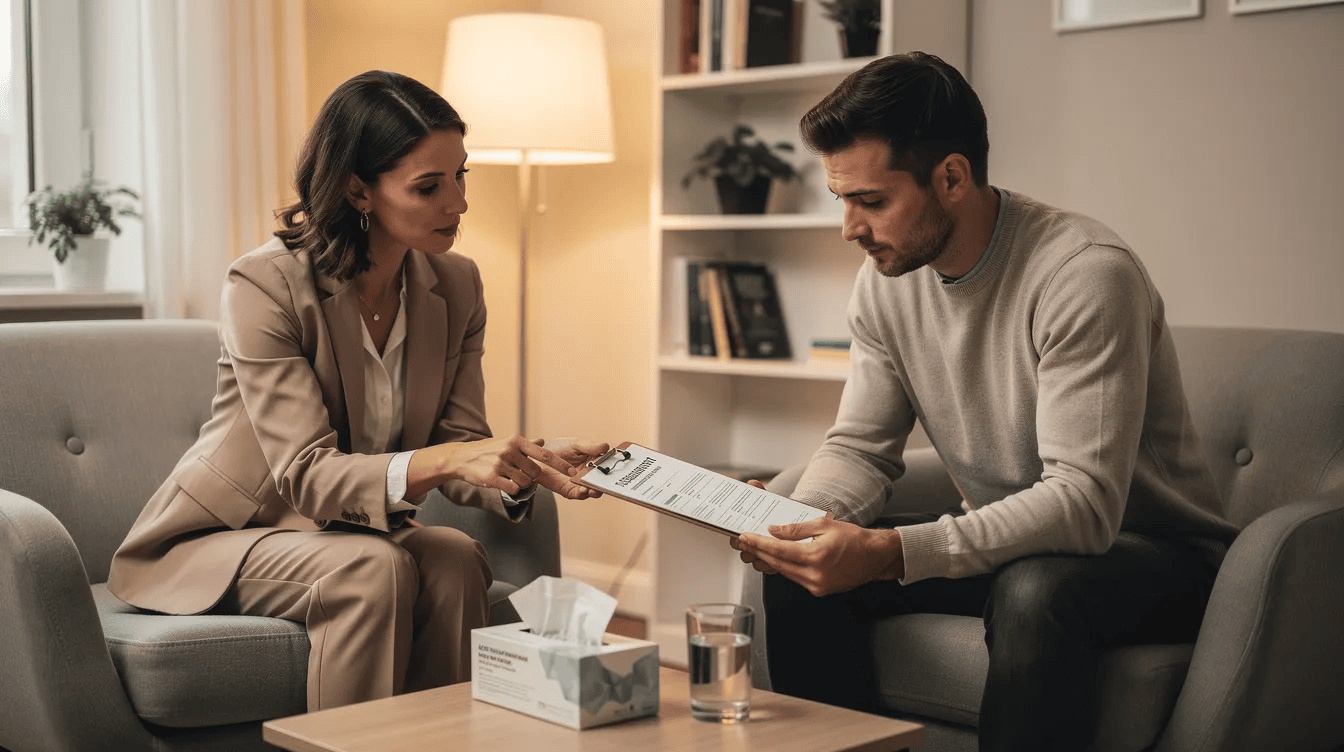



If you’ve ever felt your heart hammering, your breath catching, and an overwhelming sense that something terrible is about to happen, you already know how disorienting a panic attack can be. The good news is direct: yes, therapy is one of the most effective treatments for panic attacks and panic disorder, and it’s backed by decades of clinical research.
Approximately 11% of Americans experience a panic attack each year, and therapy can reduce the frequency and intensity of those attacks significantly. Across Texas, counselors at practices like Texas Counseling Center use evidence based approaches such as cognitive behavioral therapy cbt, exposure therapy, and mindfulness based stress reduction to help clients move from crisis to calm. Whether you prefer in person sessions in Houston or Dallas, or online therapy from anywhere in the state, effective treatment is within reach.
Here’s what therapy actually looks like, how it works, and how to get started.
What Is a Panic Attack vs. Panic Disorder?
These two terms get used interchangeably, but they mean different things in clinical practice.
Panic attack: A sudden surge of intense fear or discomfort that peaks within minutes. Panic attacks typically last 10 minutes or less, though the aftereffects can linger for hours. They can be triggered by specific situations (like driving on I-45 or speaking in front of coworkers) or arrive completely out of the blue.
Panic disorder: A diagnosable condition involving recurrent unexpected panic attacks plus at least one month of persistent worry about future attacks and significant behavior changes like avoidance. Panic disorder affects about 2 to 3% of the population in any given year, making it common yet highly treatable.
Having a few panic attacks during a stressful finals season at UT Austin or a rough quarter at work doesn’t automatically mean you have panic disorder. But if the attacks keep coming back, or if the fear of having another one starts running your life, that’s when professional support becomes essential.
Common Panic Attack Symptoms Texans Should Recognize
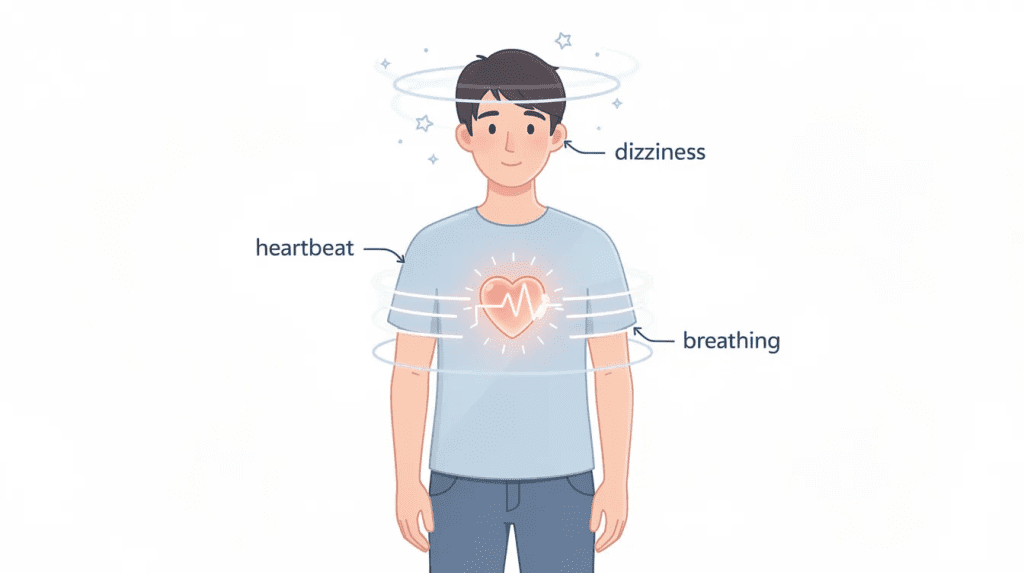
Panic attack symptoms hit fast and hard. Many Texans end up in Houston or Dallas emergency rooms convinced they’re having a heart attack, only to learn after cardiac testing that what happened was a panic attack.
Physical symptoms:
- Rapid heartbeat or racing heart
- Chest pain or pressure
- Difficulty breathing or a choking sensation
- Sweating, trembling, or shaking
- Dizziness or lightheadedness
- Nausea or stomach distress
- Hot or cold flashes
- Tingling in hands or face
Emotional and cognitive symptoms:
- Intense fear or a sense of impending doom
- Feelings of losing control or “going crazy”
- Fear of death
- Feeling detached from reality or from yourself
Panic attacks can cause rapid heartbeat and difficulty breathing so severe that they mimic cardiac events. Panic attacks may include feelings of impending doom or detachment that make everything feel surreal.
While panic attacks feel dangerous, they are not life-threatening. They are, however, a serious mental health concern that deserves treatment. If you’re ever unsure whether you’re experiencing a panic attack or a medical emergency, seek emergency care first and follow up with mental health counseling once medical causes are ruled out.
How Therapy Helps with Panic Attacks (According to Texas Counselors)
Texas counselors recommend therapy as a first-line panic disorder treatment because it addresses the root of the problem rather than just managing symptoms on the surface. Psychotherapy combined with medication is often recommended for severe cases, but many people find that therapy alone is enough to regain control.
Therapy targets three core areas:
- Understanding what’s happening. Psychoeducation demystifies panic symptoms and reduces associated fear. Understanding physical panic responses removes the mystery from sensations like a racing heart or tight chest, which in turn lowers their power over you.
- Changing unhelpful thought patterns. Catastrophic thinking (“I’m having a heart attack,” “I’m losing control”) fuels the panic cycle. Therapy helps you identify and challenge those distortions.
- Reducing avoidance. Therapy targets avoidance behaviors that exacerbate panic disorder, whether that means skipping the grocery store, avoiding freeways, or refusing to fly.
Grounding exercises use the senses to reduce feelings of detachment during panic, and counselors often recommend deep breathing for managing panic symptoms between sessions. Many clients begin to see meaningful relief within 8 to 12 CBT sessions. Intensive Outpatient Programs also provide structured panic attack treatment for those who need more support.
Cognitive Behavioral Therapy (CBT): A First-Line Treatment
Cognitive behavioral therapy is effective for panic disorder and stands as the most researched treatment available. It works by helping you identify the thoughts and behaviors that keep the panic cycle spinning, then systematically replacing them.
A typical CBT course for panic includes:
- Psychoeducation about anxiety, the nervous system, and why your body reacts the way it does
- Panic tracking through logs and diaries to identify triggers and patterns
- Cognitive restructuring to challenge catastrophic thoughts
- Behavioral experiments to test feared predictions against reality
CBT helps identify negative thought patterns in anxiety and teaches practical tools to manage panic symptoms. For example, a client who believes “If my heart races on Loop 610, I’ll die” learns to replace that thought with evidence-based alternatives developed in session.
CBT often includes homework and activities to build skills between appointments, such as thought records or breathing practice. CBT can be conducted in group or one-on-one settings, depending on client preference. Research consistently shows that this approach significantly reduces panic symptoms and improves daily functioning.

Exposure Therapy and Interoceptive Exposure for Panic
Many therapists in Texas combine CBT with exposure therapy to accelerate recovery. Exposure therapy helps patients confront situations that trigger panic rather than continuing to avoid them.
There are two main forms:
Interoceptive exposure involves intentionally producing mild versions of feared physical symptoms in a safe, controlled environment. Interoceptive exposure helps patients safely recreate panic symptoms to reduce fear. A therapist might ask you to jog in place for 60 seconds or breathe through a straw to bring on a rapid heartbeat or slight dizziness, then guide you to sit with the sensation until it passes naturally.
Situational exposure means gradually returning to certain places and activities you’ve been avoiding because of past attacks, such as crowded H-E-B stores, elevators in downtown Dallas, or highway driving.
Both forms are done collaboratively, at your pace, with clear coping skills and safety plans in place. The goal is to teach your nervous system that discomfort is temporary and manageable, not a signal of actual danger.
Mindfulness-Based Stress Reduction and Other Approaches
While CBT and exposure form the core of panic attack therapy, Texas counselors often layer in additional modalities to support the whole person.
- Mindfulness based stress reduction (MBSR): An eight-week structured program that uses meditation, body awareness, and gentle movement to help you manage stress and reduce reactivity. It teaches you to observe anxiety symptoms and thoughts without automatically escalating into panic.
- Acceptance and Commitment Therapy (ACT): Acceptance and mindfulness techniques acknowledge anxiety as a temporary emotion rather than a permanent threat. ACT focuses on accepting anxious thoughts without judgment and redirecting energy toward what matters most in your life.
- Progressive Muscle Relaxation: This technique reduces physical tension and calms anxiety by systematically tensing and releasing muscle groups, making it a useful addition to relaxation techniques practiced at home.
- EMDR: When panic is linked to past traumatic events, trauma-focused therapies like EMDR may be recommended. Texas Counseling Center also provides EMDR for clients whose panic has roots in trauma.
There is no single best therapy for everyone. Counselors typically blend approaches based on your symptoms, history, and what feels right for you as a person.
Online Therapy vs. In-Person Sessions in Texas
Both formats work. Research since 2020 confirms that online CBT for anxiety and panic can be as effective as in person therapy when delivered by licensed clinicians. Telehealth services for panic attack treatment are widely available across the state.
| Factor | In-Person Sessions | Online Therapy |
| Setting | Separate, private clinical space | Your own home or private location |
| Exposure exercises | Easier to do some in or near the office | Practice coping skills where panic actually occurs |
| Accessibility | Requires travel to Houston, Dallas, or Austin locations | Available statewide, including rural Texas |
| Best for | Clients who prefer face-to-face connection | Clients with transportation, childcare, or schedule barriers |
Texas Counseling Center offers both in person care in greater Houston and Dallas areas and secure telehealth sessions statewide. Some clients start with online therapy due to intense anxiety about leaving home and transition to in person once they build confidence through treatment.
When Are Medications Used for Panic Disorder Treatment?
Only medical professionals (psychiatrists, primary care providers, psychiatric nurse practitioners) can prescribe medication. Therapists collaborate with prescribers but do not prescribe independently.
That said, treating panic disorder sometimes involves medication alongside therapy, especially when attacks are frequent, severe, or longstanding. Common options include:
- SSRIs and SNRIs for long-term anxiety and panic frequency reduction (effects build over a few weeks)
- Benzodiazepines used cautiously as short-term rescue medication, though they carry dependence risk and are not usually first-line for ongoing management
Many plans require prior authorization for panic attack medications, so check with your insurance provider before starting a new prescription. At Texas Counseling Center, clients can access therapy and coordinated medication management services so the treatment plan stays integrated.
Medication works best when paired with skills-based therapy. In certain cases, therapy alone is sufficient. The decision should always be made collaboratively between you, your therapist, and your prescriber.
What to Expect in Panic Attack Therapy at Texas Counseling Center
Here’s how the process typically unfolds:
- Initial contact: A simple phone call or online intake form where you share what’s been happening (recent ER visit, recurring panic, avoidance) and confirm Texas residency for telehealth.
- First session: Your therapist gathers a detailed history of your panic attacks, asks about medical rule-outs, identifies triggers, and explores how panic affects your everyday life, work, and relationships.
- Treatment planning: Together, you set concrete goals. Maybe it’s driving on highways again, returning to social situations, or flying for work. The counselor selects CBT, exposure, mindfulness, or a combined approach.
- Active treatment: Weekly 45- to 60-minute sessions focus on building coping skills like paced breathing, grounding, thought challenging, and planned exposure exercises.
- Between sessions: Manageable homework such as panic logs, breath work, or graded exposure tasks keeps momentum going.
- Maintenance: As panic decreases, sessions taper while focusing on relapse prevention and long-term resilience in daily life.

How to Choose the Best Therapy and Therapist for You
Finding the right fit matters. It’s completely fine to ask questions and “interview” a therapist before committing.
Look for clinicians who explicitly list experience with panic attacks, panic disorder, and anxiety disorders and who use cognitive behavioral therapy or other evidence based approaches. Check Texas licensure (LPC, LCSW, LMFT, psychologist) and ask how many clients with panic they regularly treat.
Key questions to ask:
- Do you use CBT and exposure therapy for panic?
- Are you comfortable with online therapy?
- How do you collaborate with prescribers if I need medication?
- How do you track progress?
Texas Counseling Center has multiple clinicians across Houston, Dallas, and telehealth who specialize in anxiety and panic, making it easier to find a match by age group, cultural background, and schedule. If the fit feels off in the first few sessions, advocate for a different provider. A supportive environment makes all the difference in recovery.
Costs, Insurance, and Access in Texas
Practical details matter when you’re deciding to start therapy.
- Private pay rates in major Texas metros typically range from $130 to $225 per session, with variation by clinician experience and location.
- Insurance coverage: Most health insurance plans cover panic attack treatment. Insurance often covers both in person and virtual therapy sessions. Many clinics verify insurance coverage for panic attack treatment before your first appointment. However, insurance coverage varies by provider and plan type, so confirm details with your insurance provider.
- HSA/FSA funds can often be applied toward therapy costs. Check with your employer’s insurance benefits department.
- Cost savings over time: Early treatment can reduce anxiety-driven ER visits, urgent care trips, and missed work, making it a sound investment in your life and finances.
Texas Counseling Center accepts many major insurance plans and can verify your benefits before you start, so there are no surprises.
FAQs About Therapy for Panic Attacks in Texas
How do I know if I need therapy for panic attacks or if this is just stress? If you’re experiencing repeated attacks, avoiding certain places or activities, visiting the ER for panic symptoms, or if fear of the next attack interferes with daily life, those are clear signs therapy can help. Occasional stress reactions are normal; persistent patterns need professional support.
How long does panic attack therapy usually take to work? Many clients notice improvement within a few weeks of starting CBT. A full course of treatment typically runs 8 to 12 sessions, though more complex cases may take longer. Progress depends on severity and consistency.
Can online therapy really help with panic disorder? Yes. Research supports that online CBT is comparably effective to in person for many people. Texas Counseling Center provides secure telehealth statewide.
Is there a “best therapy” for panic attacks? CBT with exposure is the leading evidence-based approach. Many counselors combine it with mindfulness or medication depending on individual needs.
Do I have to talk about my whole life, or can we just focus on the panic attacks? Treatment can be focused and targeted. Your therapist may ask about broader history if it informs your care, but sessions center on your goals.
Will my therapist tell me to stop medication if I’m already on it? No. Therapists collaborate with prescribers and never adjust or discontinue medications without medical oversight.
Can teens and college students in Texas get panic attack therapy at Texas Counseling Center? Yes. Texas Counseling Center offers services for adolescents and young adults, including telehealth sessions that work around class schedules and social anxiety about visiting an office.
What if I have a panic attack during a therapy session? Therapists are trained for exactly this. They’ll guide you through grounding and breathing exercises in real time. It can actually become a valuable learning moment to practice coping in a safe, controlled form.
Conclusion: You Don’t Have to Live Afraid of the Next Panic Attack
Panic attacks are frightening, but they are not permanent and they are not a life sentence. With effective treatment through CBT, exposure therapy, and complementary approaches like mindfulness, many people reduce or even stop their panic attacks entirely. These aren’t just techniques to manage symptoms temporarily. They’re practical tools and lifestyle changes that build lasting resilience.
Texans have access to skilled counselors both online and in person through Texas Counseling Center, which means distance, schedule, and geography don’t have to stand between you and recovery. Seeking help is a sign of strength, not weakness, and change is possible even if you’ve been struggling for years.
Start Panic Attack Therapy with Texas Counseling Center
If you’re tired of living in fear of the next attack, take the first step today. Texas Counseling Center offers confidential consultations for individuals and teens dealing with panic attacks, anxiety disorders, generalized anxiety disorder, social anxiety, and depression.
- Call to speak with our intake team
- Complete a brief online form to request an appointment
- Choose in-person sessions in the Houston or Dallas metro areas, or secure telehealth anywhere in Texas
The sooner you start, the sooner you can reduce anxiety, stop avoiding the places and people you care about, and build confidence in your everyday life. You don’t have to wait for the next panic attack. Reach out today and start learning how to stop living in fear.
Share