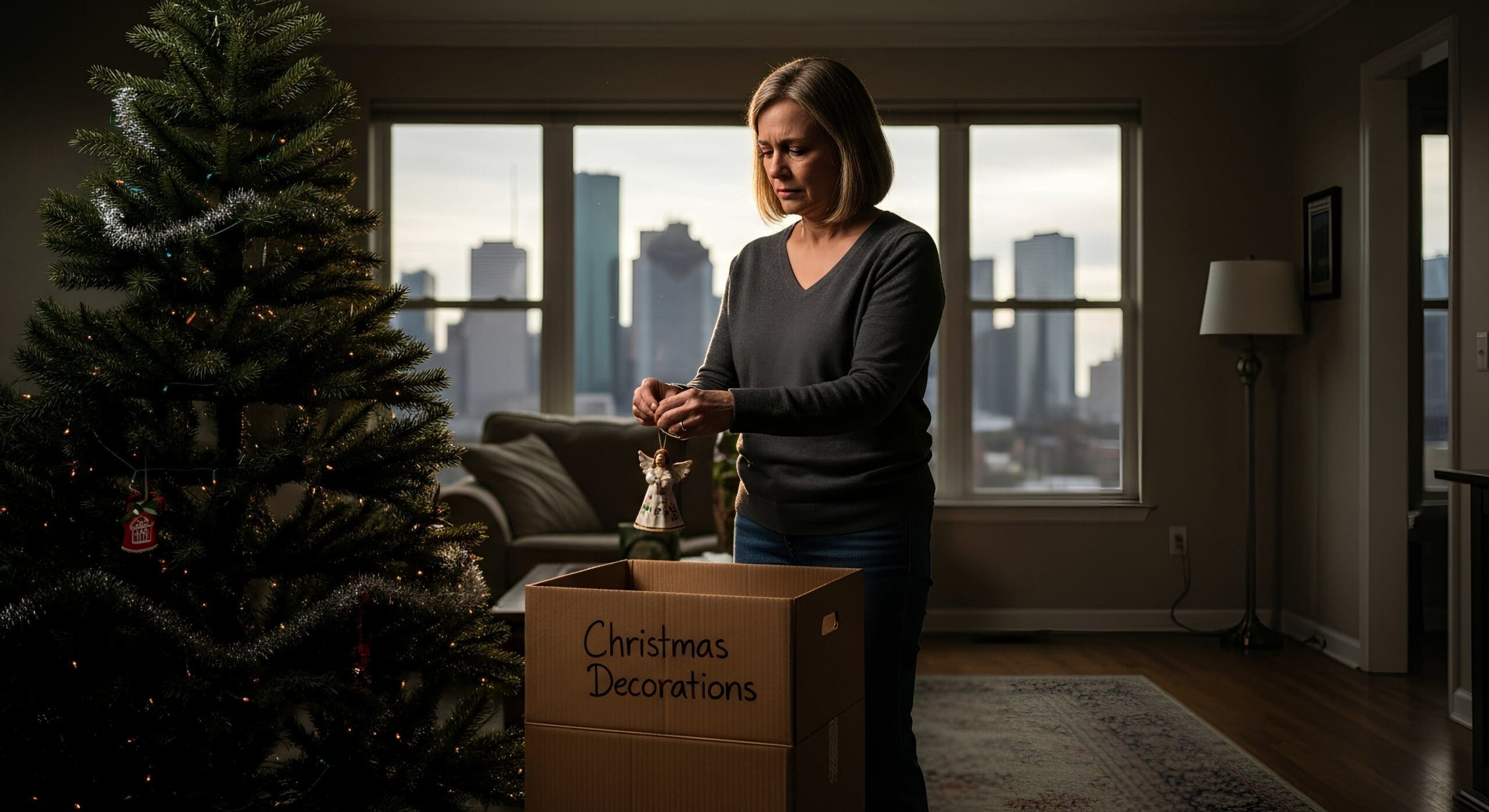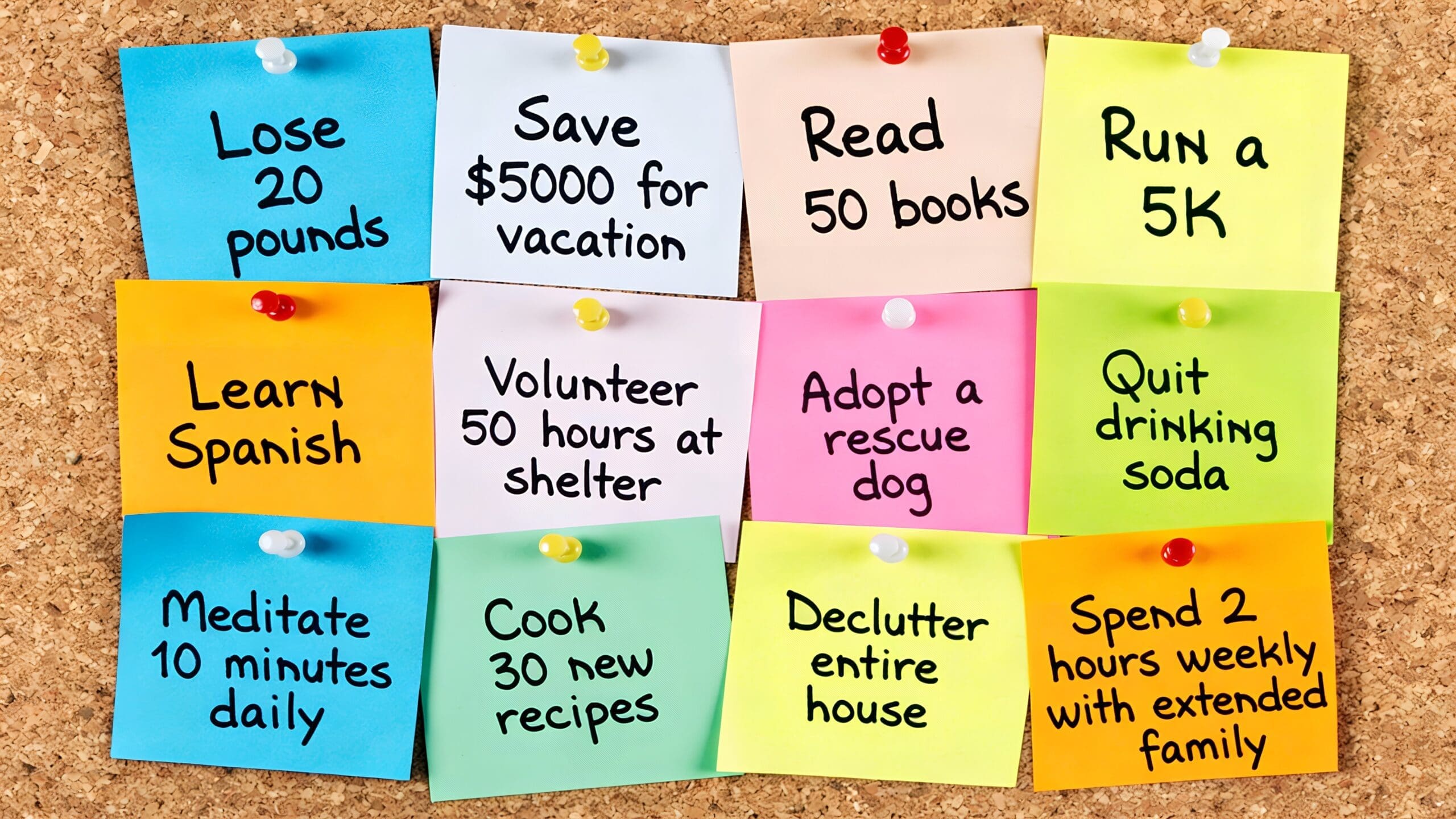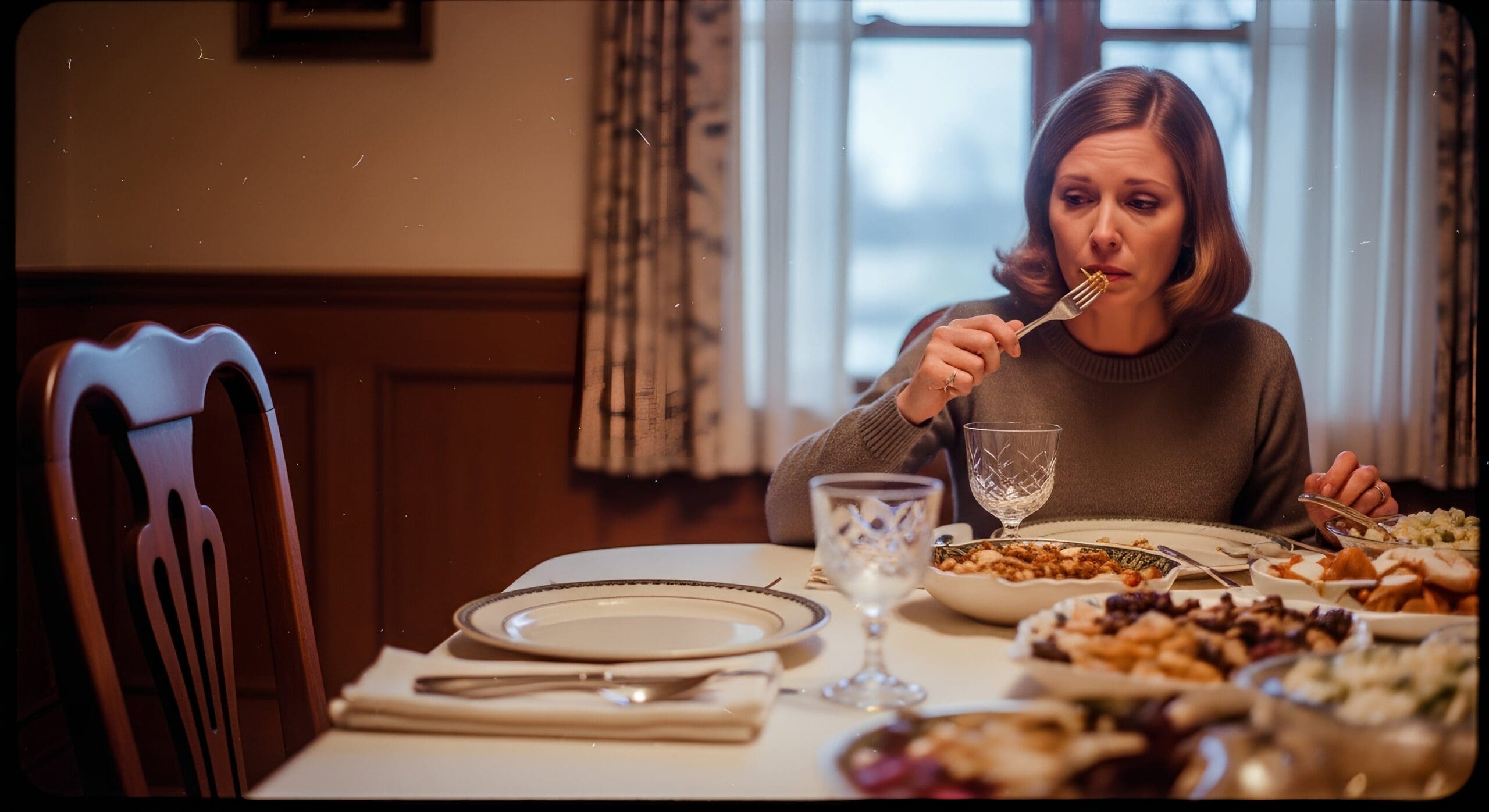



The Lone Star State is facing a mental health crisis that demands our immediate attention—and our courage to speak up.
Anxiety doesn’t respect state lines, but it certainly seems to find fertile ground in Texas. With our vast rural landscapes, unpredictable weather patterns, and deeply rooted cultural traditions, Texans face unique challenges when it comes to mental health—challenges that too many of us are facing alone.
The statistics paint a sobering picture: Texas ranks among the worst states for mental healthcare access, with only 40% of Texans with mental health conditions receiving the treatment they need. But behind these numbers are real people—your neighbors, your family members, perhaps even you—who are struggling in silence while anxiety takes hold of their lives.
It’s time we changed that narrative.
The Perfect Storm: Why Anxiety Thrives in Texas
Geographic Isolation and Limited Resources
In rural Texas communities, the nearest mental health professional might be hours away. Small towns that once thrived around oil rigs or cotton fields now find themselves with limited resources and even fewer mental health services. When someone in Marfa or Junction experiences panic attacks, their options are tragically limited.
This geographic challenge creates a cascade effect. Without local resources, people delay seeking help until their anxiety becomes overwhelming. What could have been addressed early with proper support becomes a crisis that impacts entire families and communities.
The Weight of Weather and Economic Uncertainty
Texas weather isn’t just unpredictable—it’s anxiety-inducing. Research consistently shows a strong correlation between extreme weather events and increased anxiety levels. When hurricanes threaten the Gulf Coast or when drought devastates agricultural communities, the psychological impact ripples through generations.
Add economic instability to the mix, and you have a perfect storm. Oil price fluctuations, agricultural uncertainty, and job market volatility create an environment where anxiety can flourish. Texans are resilient, but resilience has its limits.
Cultural Barriers That Keep Us Silent
Perhaps most challenging of all are the cultural norms that discourage open discussion about mental health. The “pull yourself up by your bootstraps” mentality, while admirable in many contexts, becomes dangerous when applied to mental health conditions.
In many Texas communities, admitting to anxiety is still seen as a sign of weakness. This stigma prevents people from seeking help and creates isolation precisely when connection and support are most needed. We’ve created a culture where physical injuries are treated with compassion, but emotional wounds are met with silence.
The Hidden Cost of Our Silence
When we don’t address anxiety openly, we don’t just hurt individuals—we hurt our entire communities. Untreated anxiety leads to:
- Decreased workplace productivity as employees struggle with concentration and decision-making
- Strained family relationships when anxiety goes unrecognized and untreated
- Increased healthcare costs as anxiety manifests in physical symptoms that require medical attention
- Educational challenges as students with anxiety disorders struggle to reach their potential
- Economic impact on local businesses when anxiety prevents people from fully participating in community life
The ripple effects touch every aspect of Texas life, from our schools to our churches to our main street businesses.
A New Path Forward: Practical Strategies for Coping with Anxiety
Building Your Personal Toolkit
Recognize the Signs Early
Anxiety doesn’t always announce itself with panic attacks. Often, it starts with subtle changes—difficulty sleeping, increased irritability, or avoiding social situations you once enjoyed. By recognizing these early warning signs, you can intervene before anxiety takes deeper root.
Create Daily Anchors
In a state where change is constant, creating consistent daily practices becomes crucial. This might mean:
- Starting each day with five minutes of quiet reflection
- Taking a short walk during lunch, even if it’s just around the block
- Ending the day by writing down three things you’re grateful for
Connect with Nature
Texas offers incredible natural beauty—from the Hill Country to the Piney Woods. Research shows that spending time in nature significantly reduces anxiety levels. Make it a priority to step outside, breathe deeply, and remember that you’re part of something larger than your worries.
Building Community Support Networks
Start Conversations in Safe Spaces
Whether it’s in your church, community center, or book club, begin having honest conversations about stress and anxiety. You’ll be surprised how many people share similar experiences once someone breaks the ice.
Leverage Technology Thoughtfully
While social media can increase anxiety, technology can also connect us with resources and support. Use apps that offer guided meditation, connect with online support groups, or access telehealth services when in-person options aren’t available.
Create Accountability Partnerships
Find someone you trust to check in with regularly about your mental health. This doesn’t need to be formal—it could be a weekly coffee with a friend where you both commit to being honest about how you’re really doing.
Professional Help: Breaking Down Barriers
When to Seek Professional Support
If anxiety is interfering with your daily life, relationships, or work, it’s time to seek professional help. This isn’t a failure—it’s a strength. Just as you wouldn’t hesitate to see a doctor for a broken bone, mental health deserves the same immediate attention.
Making Treatment Accessible
Explore Telehealth Options
Many insurance plans now cover telehealth mental health services. This can be particularly valuable for rural Texans who previously had limited access to specialists.
Look into Community Resources
Many Texas communities have sliding-scale fee counseling services through community health centers or faith-based organizations. Don’t let cost prevent you from getting help.
Consider Group Therapy
Group therapy can be both cost-effective and particularly powerful for anxiety treatment. Knowing you’re not alone in your struggles can be profoundly healing.
The Ripple Effect of Breaking the Stigma
When one person in a community begins talking openly about their mental health journey, it creates permission for others to do the same. This is how cultural change happens—one conversation, one story, one act of courage at a time.
Imagine if every Texas community had people willing to share their experiences with anxiety and recovery. Imagine if our churches, schools, and workplaces became safe spaces for honest conversations about mental health. This isn’t just a dream—it’s an achievable goal that starts with each of us.
Your Journey Starts Today
Coping with anxiety in Texas requires acknowledging both our unique challenges and our incredible strengths as Texans. We’re people who face hurricanes head-on, who build communities in vast spaces, who support each other through droughts and floods. We can certainly support each other through anxiety and mental health challenges.
The path to better mental health isn’t about becoming a different person—it’s about becoming the fullest, most authentic version of yourself. It’s about recognizing that seeking help is an act of courage, not weakness. It’s about understanding that you deserve support, connection, and peace of mind.
Your well-being matters. You’re not alone. Help is available.
If you’re struggling with anxiety, take the first step today. Reach out to a trusted friend, call a mental health helpline, or schedule an appointment with a counselor. Break the silence that has kept too many Texans suffering alone.
Together, we can create communities where mental health is treated with the same care and attention as physical health. Together, we can ensure that no Texan faces anxiety alone. The journey toward healing starts with a single step—and that step starts with you.
If you or someone you know is experiencing a mental health crisis, call the 988 Suicide & Crisis Lifeline (call or text 988) or go to your nearest emergency room. Help is available 24/7.
Schedule a Session
With Us Today
Schedule a Session
With Us Today
We're here to start the journey to better mental health with you.
Share
Recent Posts