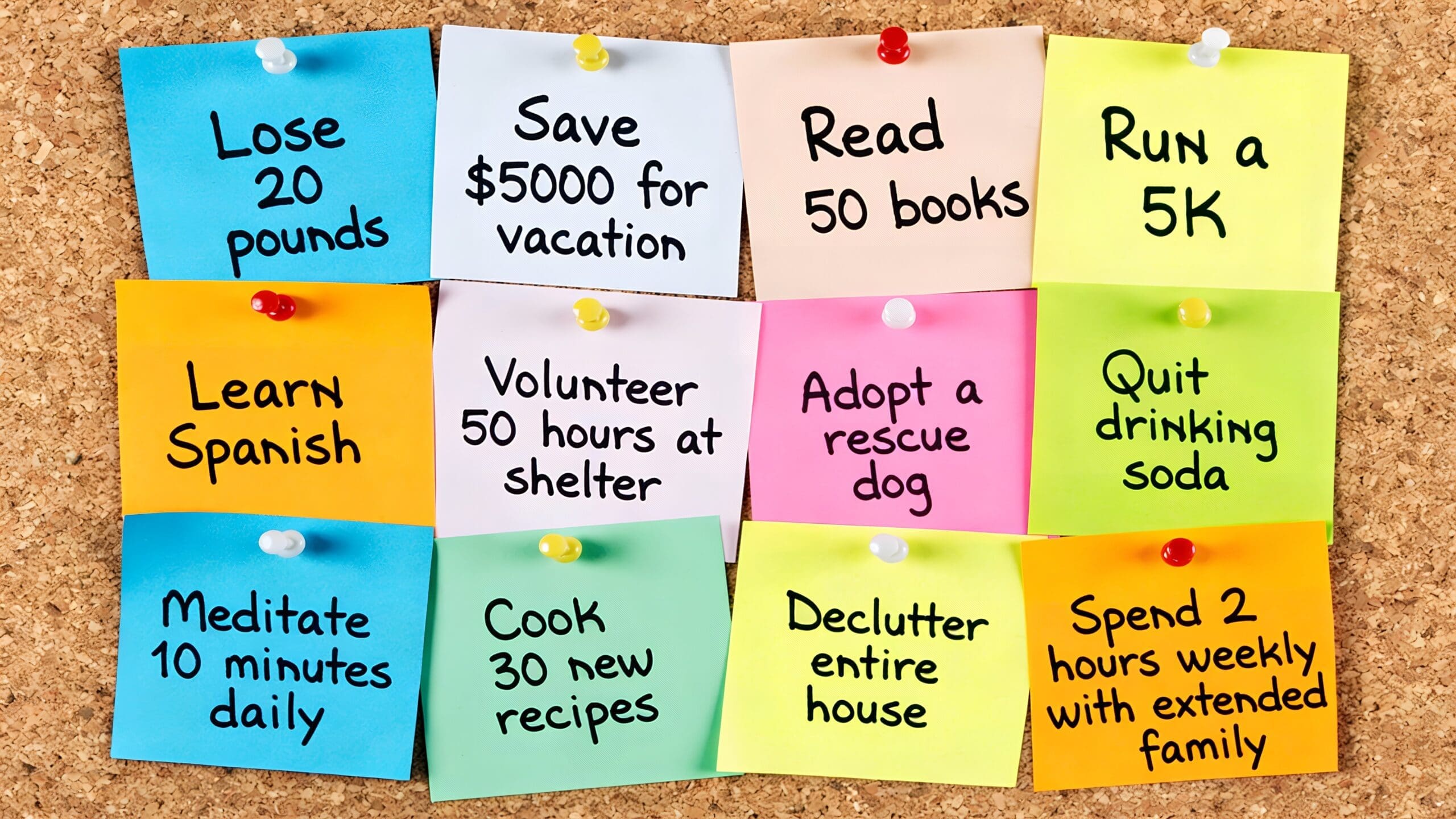



The start of a new year often brings a surge of hope. We look at the calendar turning to January and feel a spark of possibility—a chance to reinvent ourselves, fix what feels broken, and finally chase down those big dreams. In Texas, we know a thing or two about dreaming big. But for many of us, that initial excitement fades faster than a blue norther. You might find yourself in mid-February wondering why the gym shoes are gathering dust or why the journal remains unopened.
If this sounds familiar, you are certainly not alone. Research suggests that the New Year’s resolution failure rate is staggering, with nearly 80% of resolutions abandoned by the second week of February. This cycle of enthusiasm followed by disappointment can be disheartening. It can make us feel like we lack discipline or willpower. But what if the problem isn’t you? What if the problem is the way we approach resolutions in the first place?
This year, we invite you to try something different. Instead of setting rigid demands that lead to stress, let’s explore a gentler, more sustainable path. By shifting our focus from strict rules to meaningful intentions, we can prioritize our well-being. Here are some mental wellness tips to help you embrace a new perspective and create lasting change in 2026.
The Psychology of New Year’s Resolutions: Why We Struggle
To move forward, it helps to understand why the old ways haven’t worked. The psychology of New Year’s resolutions reveals that we often set ourselves up for failure before we even begin. We tend to create goals based on what we think we should do, rather than what aligns with our true selves.
Common Pitfalls
Many of us fall into the trap of setting unrealistic goals. We might commit to a drastic diet or an intense exercise regimen that doesn’t fit our current health or lifestyle. When life inevitably gets busy—whether it’s long commutes in Houston traffic or caring for family members—these rigid plans shatter.
Furthermore, fear of failure can paralyze us. When a goal is too intimidating (“I will lose 50 pounds” or “I will never be anxious again”), the pressure becomes overwhelming. We often lack the measurable steps to get there. Without a clear map, we feel lost.
Another major hurdle is the lack of a support system. Attempting to transform your life in isolation is incredibly difficult. Without a therapist in Houston for accountability or a supportive community group in Dallas, it’s easy to let things slide when motivation wanes. Finally, many resolutions are driven by social pressure. If you are chasing a goal because social media says you should, rather than because your soul desires it, your motivation will likely run dry.
A Gentler Approach: Setting Intentions vs. Resolutions
If resolutions feel like a heavy burden, consider a lighter alternative. Setting intentions vs resolutions is a powerful shift in mindset. A resolution is often a strict goal with a pass/fail grade: “I will go to the gym five days a week.” An intention, however, focuses on the journey and how you want to feel.
Resolutions are about the destination; intentions are about the present moment. Resolutions are often rigid; intentions are flexible and forgiving.
For example, instead of resolving to “lose 10 pounds,” you might set an intention to “honor my body with movement and nourishment.” This shift allows for grace. If you miss a gym day, you haven’t failed. You can still honor your body by taking a gentle walk or eating a healthy meal.
Examples of Shifting Perspective
- Resolution: “I will read 50 books this year.”
- Intention: “I will make time for stories that inspire me.”
- Resolution: “I will stop eating sugar.”
- Intention: “I will choose foods that give me energy and vitality.”
By focusing on the feeling and the value behind the action, you create a sense of purpose that can weather the ups and downs of daily life.
Strategies for Keeping Resolutions or Intentions
Even with a softer approach, having a strategy helps. We need a framework to turn our spiritual intentions into earthly actions. Here are some practical ways to stay on track.
1. Use SMART Goals for Mental Health
While intentions are broad, the steps to reach them can be specific. The SMART goals for mental health framework (Specific, Measurable, Achievable, Relevant, Time-bound) acts as a ladder to help you reach your higher purpose.
If your intention is to reduce stress, a SMART goal might be: “I will practice five minutes of deep breathing (Specific/Measurable) every morning before coffee (Time-bound) to help me feel calm (Relevant).” This is far more achievable than saying, “I will stop being stressed.”
2. How to Stick to Goals with ADHD
For our neurodivergent community members, traditional goal-setting can feel like a trap. If you are wondering how to stick to goals with ADHD, the key is novelty and flexibility. Rigid routines can become boring quickly for the ADHD brain.
Instead of forcing a strict schedule, create a “menu” of healthy activities you can choose from. Some days you might garden; other days you might dance. This keeps things interesting. Visual reminders, like sticky notes on the mirror or phone alarms, can also help keep your intentions top of mind without feeling like a punishment.
3. How to Stick to Goals with Anxiety
If you live with anxiety, the pressure of a “New Year, New You” can trigger perfectionism and panic. Learning how to stick to goals with anxiety requires immense self-compassion. Break your objectives down into tiny, non-threatening steps.
If your goal is to be more social, don’t commit to a huge party. Start by texting one friend. Celebrate that small win. If you miss a step, remind yourself that one stumble does not ruin the journey. Progress is rarely a straight line.
4. Adopt a Theme for the Year
Instead of a long list of tasks, choose one word or theme for 2026. Words like “Balance,” “Courage,” “Rest,” or “Connection” can serve as a guiding light. When you are faced with a decision, ask yourself, “Does this align with my theme?” This simplifies your choices and keeps you focused on what truly matters.
Suggestions for Attainable Mental Health Goals in 2026
As we look toward the year ahead, consider what habits will truly nourish your spirit and mind. Here are some mental health goals 2026 that prioritize well-being over productivity.
Stay Active in Joyful Ways
Movement is medicine, but it shouldn’t be torture. In Texas, we are blessed with beautiful landscapes. Incorporate physical activity that feels like play. Maybe it’s examples of daily intentions like tending to a garden, walking a local trail during the cooler evening hours, or trying a gentle yoga class. Focus on how it makes your body feel, rather than how it makes your body look.
Learn New Skills
Keep your mind sharp and your spirit curious. Engaging in hobbies like painting, cooking, or learning a new language can provide a healthy escape from daily stressors. It’s not about becoming an expert; it’s about the joy of being a beginner and the satisfaction of growth.
Be Socially Engaged
Loneliness is a heavy burden to carry. Make it a goal to nurture your connections. Spend intentional time with family or friends. If you feel isolated, look for Texas mental health resources that offer support groups or community activities. Being part of a community promotes emotional well-being and reminds us that we are part of something larger than ourselves.
Manage Your Health Diligently
Self-care is also health care. Healthy habits for 2026 should include regular check-ups and balanced nutrition. But remember, health is holistic. It includes setting boundaries, getting enough sleep, and speaking kindly to yourself.
Finding Support in the Lone Star State
Embarking on a journey of self-improvement is brave work, but you do not have to do it alone. Whether you are navigating a major life change or simply seeking more balance, professional support can be the bridge between where you are and where you want to be.
If you are looking for Houston counseling for life transitions, or support anywhere in our great state, help is available. Sometimes, the most powerful resolution you can make is to ask for help. A therapist can provide the accountability and tools you need to turn your intentions into reality.
This year, let’s aim for progress, not perfection. Let’s focus on mental wellness tips that uplift us rather than tear us down. Whether you choose resolutions, intentions, or simply a word for the year, may 2026 be a year of healing, growth, and deep self-compassion.
Schedule a Session
With Us Today
Schedule a Session
With Us Today
We're here to start the journey to better mental health with you.
Share
Recent Posts