



A mood disorder is a mental health condition characterized by persistent emotional state changes that go far beyond ordinary ups and downs. Depression and bipolar disorder are the most recognized examples, but several related conditions fall under this umbrella. Mood disorders can disrupt daily life, relationships, work, and school in ways that make even simple tasks feel overwhelming.
These conditions are far more common than most people realize. Mood disorders affect 21% of people in their lifetime. Major depression affects about 7% of U.S. adults annually, and bipolar disorder affects approximately 2.8% of U.S. adults. Globally, over 300 million people live with depressive disorders, according to the World Health Organization.
The good news is that mental health counseling can help with mood disorders in concrete, measurable ways-reducing symptoms, teaching coping skills, providing ongoing support, and preventing relapse. At Texas Counseling Center, our licensed clinicians in the Houston and Dallas metro areas (and statewide via telehealth) work with individuals, teens, and families to treat mood disorders using evidence-based approaches.
In this article, you will learn what mood disorders are, how they are diagnosed, the types of therapy that work, and specific ways counseling helps people with mood disorders recover and thrive.

What Are Mood Disorders?
Mood disorders are mental disorders in which long-lasting changes in mood-whether deep sadness, persistent irritability, or unusual highs-interfere significantly with a person’s ability to function. Unlike a bad day or a great week, these conditions involve emotional patterns that stick around and get in the way of living.
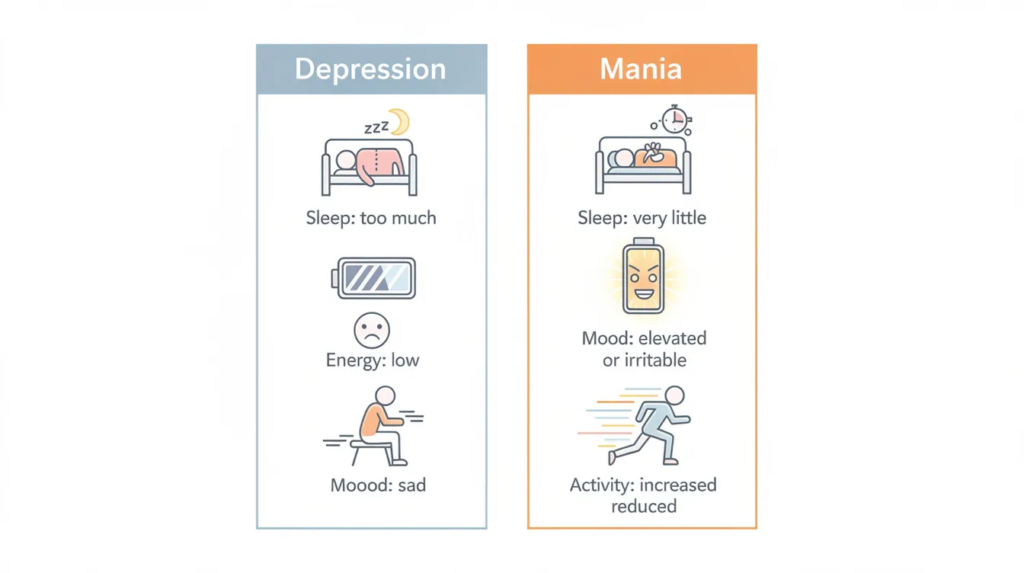
The Diagnostic and Statistical Manual of Mental Disorders (DSM-5) groups mood disorders into two main categories: depressive disorders and bipolar and related disorders. Depressive disorders center on prolonged low mood and loss of energy. Bipolar disorders involve cycles between depressive episodes and manic episodes or hypomanic episodes.
It is worth noting that anxiety disorders and eating disorders are separate categories in the DSM-5, but they frequently co-occur with mood disorders and can intensify the overall picture. Symptoms of mood disorders can include persistent sadness, anxiety, irritability, and loss of interest in previously enjoyed activities.
A mood disorder diagnosis requires that symptoms persist for weeks or longer and cause meaningful distress or impaired functioning. A Houston professional who cannot get out of bed for work, or a Dallas teenager whose grades have dropped sharply alongside irritable mood and withdrawal, may be showing signs of a mood disorder rather than a rough patch. Mood disorders symptoms should prompt professional evaluation if they persist or interfere with daily life.
Above all, mood disorders are medical conditions-not character flaws or signs of weakness. They involve changes in brain function and chemistry, and they respond to treatment.
Types of Mood Disorders: Depressive and Bipolar Conditions
Mood disorders include several specific diagnoses with overlapping but distinct features. Understanding the types of mood disorders helps clinicians build the right treatment plan and helps clients make sense of what they are experiencing.
Major depressive disorder (also called major depression or clinical depression) is the most common mood disorders diagnosis. It requires at least five depressive symptoms over at least two weeks, including a depressed mood or loss of interest. Major depression affects about 7% of U.S. adults and is sometimes described as severe depression when symptoms are especially debilitating. Mild depression, while less intense, still warrants attention and treatment.
Persistent depressive disorder (formerly called dysthymia) is a chronic, long-term form of depression lasting at least two years. Symptoms are less intense than major depression but more constant, creating a baseline of low mood, poor self-esteem, and fatigue. When a person experiences both persistent depressive disorder and major depressive episodes, clinicians sometimes call this double depression.
Bipolar I disorder is characterized by at least one manic episode lasting at least a week, often accompanied by depressive episodes. Manic episodes involve elevated or irritable mood, racing thoughts, inflated self-esteem, and risky behavior. Bipolar disorder features mood swings between highs and lows.
Bipolar II disorder involves depressive episodes and hypomania without full-blown mania. The hypomanic periods are shorter and less severe, but the depressive phases can be deeply disabling. Unspecified bipolar presentations may also be diagnosed when symptoms don’t neatly fit either category.
Cyclothymic disorder involves low-grade depressive and hypomanic periods lasting at least two years, without meeting full criteria for major depression or mania.
Among other mood disorders, premenstrual dysphoric disorder features severe mood swings occurring in the week before menstruation, going well beyond typical premenstrual syndrome. Disruptive mood dysregulation disorder occurs in children with frequent anger outbursts and a persistently irritable mood between outbursts-a diagnosis distinct from oppositional defiant disorder. Seasonal affective disorder involves depressive episodes that recur with seasonal changes, most often in winter months.
Mood symptoms can also result from medical conditions (such as thyroid disease or neurological illness) or substance and medication effects (such as steroids). These are classified as mood disorders due to another medical condition or substance-induced mood disorders.
All of these are mood disorders diagnosed by mental health professionals using DSM-5 criteria-not through self-diagnosis or online quizzes.
Is Anxiety a Mood Disorder? Understanding Related Conditions
This is one of the most common questions people ask. Anxiety disorders-including generalized anxiety disorder, panic disorder, and phobias-are not classified as mood disorders. They are a separate category of mental health conditions in the DSM-5, though they are among the most common mental disorders worldwide.
However, anxiety disorders frequently co-occur with depressive disorders and bipolar disorder. A person with a lifetime anxiety disorder diagnosis is significantly more likely to also develop mood disorders. When both conditions are present, symptoms tend to be more severe and treatment becomes more complex. Post traumatic stress disorder and attention deficit hyperactivity disorder can also overlap with mood disorders, creating layered clinical pictures.
In everyday terms, mood disorder symptoms center on persistent changes in emotional state-hopelessness, emptiness, or extreme highs. Anxiety disorder symptoms tend to involve intense worry, physical tension, restlessness, and avoidance behavior. In practice, many clients experience both.
At Texas Counseling Center, clinicians commonly treat clients with both mood and anxiety disorders in integrated counseling plans. Proper diagnosis matters because the right therapy approach-and the right medication, if needed-depends on accurately distinguishing between these conditions.
How Common Are Mood Disorders and Who Is at Risk?
Mood disorders are remarkably prevalent. As noted, major depression affects about 7% of U.S. adults each year, and bipolar disorder affects approximately 2.8% of U.S. adults. Among children and adolescents, 15% have a mood disorder. In Texas alone, nearly 18% of adults experience some form of mental illness in a given year, according to state behavioral health data.
Women are nearly twice as likely to experience major depression as men-a disparity linked to hormonal, genetic, and psychosocial factors. Major depression is twice as likely to affect women than men across most age groups. Bipolar disorder, by contrast, affects men and women at similar rates.
Several major risk factors contribute to who may develop mood disorders:
- Genetic factors and family history. Family history increases the risk of mood disorders. If a parent or sibling has depression or bipolar disorder, your own risk is meaningfully higher.
- Brain chemistry. Mood disorders may be caused by brain chemical imbalances, including disruptions in serotonin, norepinephrine, and dopamine pathways. Abnormal brain activity in regions that regulate emotion also plays a role.
- Stressful life events and chronic stress. Stressful life changes-job loss, divorce, bereavement, financial hardship-can trigger mood disorders, especially in people with other risk factors.
- Childhood trauma. Childhood trauma is a significant risk factor for mood disorders. Adverse childhood experiences increase vulnerability to both depressive and bipolar conditions.
- Medical conditions. Certain medical conditions can lead to mood disorders, including thyroid disease, heart disease, and neurological illness. In turn, mood disorders can increase the risk of heart disease and can lead to chronic health conditions like diabetes.
- Substance abuse. Alcohol and drug misuse can both mask and worsen mood symptoms.
- Postpartum changes. Postpartum depression is a serious depressive condition affecting some women after childbirth, driven partly by hormonal shifts.
In Texas communities, additional stressors may include hurricanes, economic volatility, and immigration-related stress. Risk factors increase vulnerability, but they do not guarantee someone will develop mood disorders.
Signs and Symptoms: When Low or High Mood Becomes a Disorder
Symptoms of mood disorders vary by diagnosis but generally fall into two clusters: depressive symptoms and manic or hypomanic symptoms.
Common depressive symptoms include:
- Persistent sadness, emptiness, or irritable mood
- Loss of interest or pleasure in activities (anhedonia)
- Fatigue and loss of energy
- Sleep changes-insomnia or sleeping too much
- Appetite or weight changes
- Difficulty concentrating or making decisions
- Feelings of worthlessness or excessive guilt
- Hopelessness
- Recurrent thoughts of death or suicide
Symptoms of depression must last for at least two weeks to meet criteria for a major depressive episode. Depression occurs across all age groups, and other symptoms such as physical aches and social withdrawal often accompany the emotional changes.
Manic and hypomanic symptoms include:
- Unusually elevated, expansive, or irritable mood
- Inflated self-esteem or grandiosity
- Markedly decreased need for sleep
- Pressured speech and racing thoughts
- Distractibility and increased goal-directed activity
- Impulsive or risky behaviors-spending sprees, reckless driving, risky sexual decisions
Bipolar patients may cycle between depressive episodes and manic episodes, sometimes experiencing mixed features where both symptom clusters overlap. Frequent anger outbursts, extreme mood swings, and drastic behavioral changes are other mood disorder symptoms that families often notice first.
Any suicidal thoughts, intent, or self-harm behaviors are emergencies. If you or someone you know is in crisis, contact the 988 Suicide & Crisis Lifeline immediately.
If symptoms persist for more than two weeks or significantly disrupt daily life, it is time to seek professional evaluation.
How Mood Disorders Are Diagnosed
Mood disorder diagnosis begins with a thorough clinical interview. A clinician gathers a full health and psychiatric history, asks detailed questions about current symptoms and their timeline, and explores how those symptoms affect work, relationships, and daily functioning.
The types of mental health professionals who can diagnose mood disorders include psychiatrists, clinical psychologists, licensed professional counselors, clinical social workers, and psychiatric nurse practitioners. At Texas Counseling Center, clinicians may also screen for attention deficit hyperactivity disorder, autism spectrum disorder, trauma histories, and substance abuse, since these can mimic or mask mood symptoms.
Standardized rating scales-such as the PHQ-9 for depression and structured mood questionnaires-support the diagnostic process but do not replace a comprehensive evaluation. Ruling out medical causes is equally important. Thyroid problems, vitamin deficiencies, neurological conditions, and certain medications can produce symptoms that look like mood disorders but require different treatment.
Early diagnosis matters. People with mood disorders diagnosed early tend to respond better to treatment and experience fewer long-term complications. If you have been struggling, getting an accurate diagnosis is the first step toward feeling better.

How Mental Health Counseling Helps With Mood Disorders
Evidence-based counseling is one of the most effective ways mood disorders are treated, often alongside medication. Psychotherapy is often combined with medication for treatment of moderate to severe mood conditions, and for milder cases, therapy alone may be enough.
Counseling helps clients understand their diagnosis, normalize their experience, and reduce the shame that so often accompanies mental illnesses. A skilled therapist creates a nonjudgmental space where difficult emotions-grief, anger, hopelessness-can be explored safely.
Beyond emotional support, therapy teaches concrete coping skills. Clients learn to manage negative automatic thoughts, regulate their emotions, build healthier daily routines, and strengthen relationships. Counseling also supports safety planning around self-harm or suicidal thoughts, a critical component for people with mood disorders.
Texas Counseling Center offers depression and anxiety counseling, teen therapy, trauma counseling, EMDR treatment, relationship and marital counseling, and telehealth counseling across Texas-all services that directly address the needs of people with mood disorders.
Consider a brief example: a young professional in Houston diagnosed with recurrent major depressive disorder begins weekly cognitive behavioral therapy and starts medication through coordinated care. Over three months, her depressive symptoms decrease measurably. She learns to recognize negative thought patterns, establishes a consistent sleep routine, and builds a relapse prevention plan. She still has hard days-but she has tools, support, and a path forward.
Types of Therapy Used to Treat Mood Disorders
Different counseling approaches work for different people, and many clients benefit from a combination of methods tailored to their specific diagnosis and goals.
Cognitive behavioral therapy (CBT) is the most widely researched therapy for depressive disorders and anxiety disorders. CBT focuses on the relationship between thoughts, feelings, and behaviors-helping clients identify and challenge cognitive distortions that fuel depressed mood. Meta-analyses of over 400 trials show CBT achieves moderate to large effect sizes for depression, and its benefits hold over six to twelve months of follow-up. Cognitive-behavioral therapy is a common treatment for depression and is often a first-line approach at clinics like Texas Counseling Center.
Interpersonal therapy (IPT) targets relationship difficulties, role transitions (such as divorce, job loss, or becoming a parent), grief, and communication breakdowns. It is particularly effective for major depressive disorder and works well for clients whose mood symptoms are closely tied to interpersonal stress.
Dialectical behavior therapy (DBT)-informed work emphasizes emotion regulation, distress tolerance, and mindfulness. It is especially helpful for clients with intense mood swings, self-harm risk, or personality disorders that co-occur with mood conditions. Preliminary research supports DBT for bipolar patients as well.
EMDR therapy is used at Texas Counseling Center for trauma-related mood symptoms, especially when post traumatic stress disorder and depression coexist. By reprocessing traumatic memories, EMDR can reduce the depressive symptoms that trauma leaves behind.
Family and couples counseling addresses the relationship strain that often accompanies mood disorders. When a loved one understands the condition and learns effective ways to communicate, the entire family system benefits.

Beyond Talk Therapy: Medication, Lifestyle, and Integrated Care
Many mood disorders-especially bipolar disorder and severe depressive disorders-respond best to a combination of counseling and medication. Antidepressants and mood stabilizers effectively treat mood disorders, and the right medication can be transformative.
Common medication categories include:
- Selective serotonin reuptake inhibitors (SSRIs) and norepinephrine reuptake inhibitors (SNRIs) for depressive disorders
- Mood stabilizers such as lithium and valproate for bipolar disorder
- Atypical antipsychotic medications used in bipolar disorders and treatment resistant depression
Only licensed prescribers adjust medications. Texas Counseling Center offers medication management coordinated directly with therapists, ensuring an integrated treatment plan where therapy and prescribing work together.
For cases that do not respond to standard medication and therapy, electroconvulsive therapy is used for treatment-resistant depression. Brain stimulation therapy approaches, including repetitive transcranial magnetic stimulation, show promise in treatment of difficult-to-treat mood conditions. Light therapy is sometimes used for seasonal affective disorder.
Lifestyle strategies also make a real difference. Maintaining regular sleep, exercise, and avoiding drugs complement mental health treatment. Counselors help clients implement structured routines, improve nutrition, and reduce alcohol and substance use-all of which stabilize mood over time.
Psychoeducation for clients and families is another key piece. Learning to recognize early warning signs of relapse-especially in bipolar disorders-can prevent full episodes from developing. Treatment is always individualized: counselors work with each client to find the combination of tools that fits their values, culture, and daily realities.
Living With a Mood Disorder: Skills, Relapse Prevention, and Support
Ongoing counseling helps people build a long-term plan that extends well beyond symptom relief. Therapists work with clients to identify personal triggers, recognize early warning signs, and develop crisis plans for difficult moments.
Practical skills therapists may teach include:
- Mood tracking to detect patterns over weeks and months
- Problem-solving strategies for stressful life changes
- Communication skills and boundary setting
- Self-compassion practices to counter guilt and self-criticism
- Behavior activation to counteract withdrawal and isolation
Social support plays a significant role in recovery. Family, friends, peer groups, and community connections provide the foundation that clinical treatment builds on. Therapists can involve loved ones when appropriate, strengthening the network around the client.
Setbacks and relapses are common in mood disorders, but they can be managed with prompt adjustment of treatment. A relapse does not mean failure-it means the plan needs updating. Texas Counseling Center offers telehealth counseling across Texas, allowing clients to maintain support even when traveling, busy, or living in rural areas.
Recovery is a process, not a single event. With consistent care, people with mood disorders can achieve long-term stability and a meaningful, fulfilling life.
How Family and Friends Can Help Someone With a Mood Disorder
Watching a loved one struggle with depression or bipolar disorder is painful. You may feel helpless, frustrated, or unsure of what to say. Your support, however, matters more than you might think.
Here are concrete ways to help:
- Listen without judgment. Let them share what they are feeling without trying to fix it immediately.
- Avoid minimizing. Phrases like “just snap out of it” or “everyone gets sad sometimes” do more harm than good.
- Encourage professional help. Gently suggest they speak with a therapist or schedule an evaluation.
- Offer practical support. Rides to appointments, help with childcare, or simply checking in regularly can reduce barriers to treatment.
Avoid trying to serve as your loved one’s only source of support. Family members benefit from their own counseling, both for education about the condition and for processing their own emotions.
Learn the warning signs of crisis: suicidal talk, giving away belongings, drastic behavior changes, or increased substance abuse. If safety is at risk, call 988 or emergency services immediately.
Texas Counseling Center provides family and couples therapy to help loved ones learn effective ways to support recovery while protecting their own well-being.
Getting Help at Texas Counseling Center
Mental health counseling offers people with mood disorders a proven path to symptom relief, stronger coping skills, and lasting recovery. Whether someone is dealing with major depression, bipolar disorder, or another mood condition, the right combination of therapy and support can change the trajectory of their life.
A first appointment at Texas Counseling Center typically begins with an intake assessment. Your clinician will review your history, discuss symptoms, and collaborate with you on a treatment plan. You will also discuss whether in-person or telehealth sessions work best for your situation, and whether a medication referral is appropriate.
Texas Counseling Center has locations in the greater Houston and Dallas metro areas, with statewide telehealth available for all Texas residents. The clinic accepts a range of insurance plans, and staff can help you verify your benefits before your first session.
If you suspect that you or someone you care about may have a mood disorder, you do not have to wait until things get worse. Reaching out is a sign of strength-and common mood disorders like depression and bipolar disorder respond well to treatment when people get the right help.
Start Your Path to Feeling Better
If you are in Houston, Dallas, or anywhere in Texas and struggling with mood swings, persistent sadness, or emotional highs and lows that feel unmanageable, Texas Counseling Center is here for you. Our licensed therapists and prescribers specialize in helping people treat mood disorders with evidence-based counseling, medication management, and compassionate care.
Take the next step today:
- Call our office to schedule an appointment
- Complete the online contact form on our website
- Book a telehealth consultation from anywhere in Texas
Mood disorders are treatable. You do not have to navigate depression and bipolar disorder alone. Starting counseling now can reduce symptoms, improve your relationships, and help you feel like yourself again.
Share