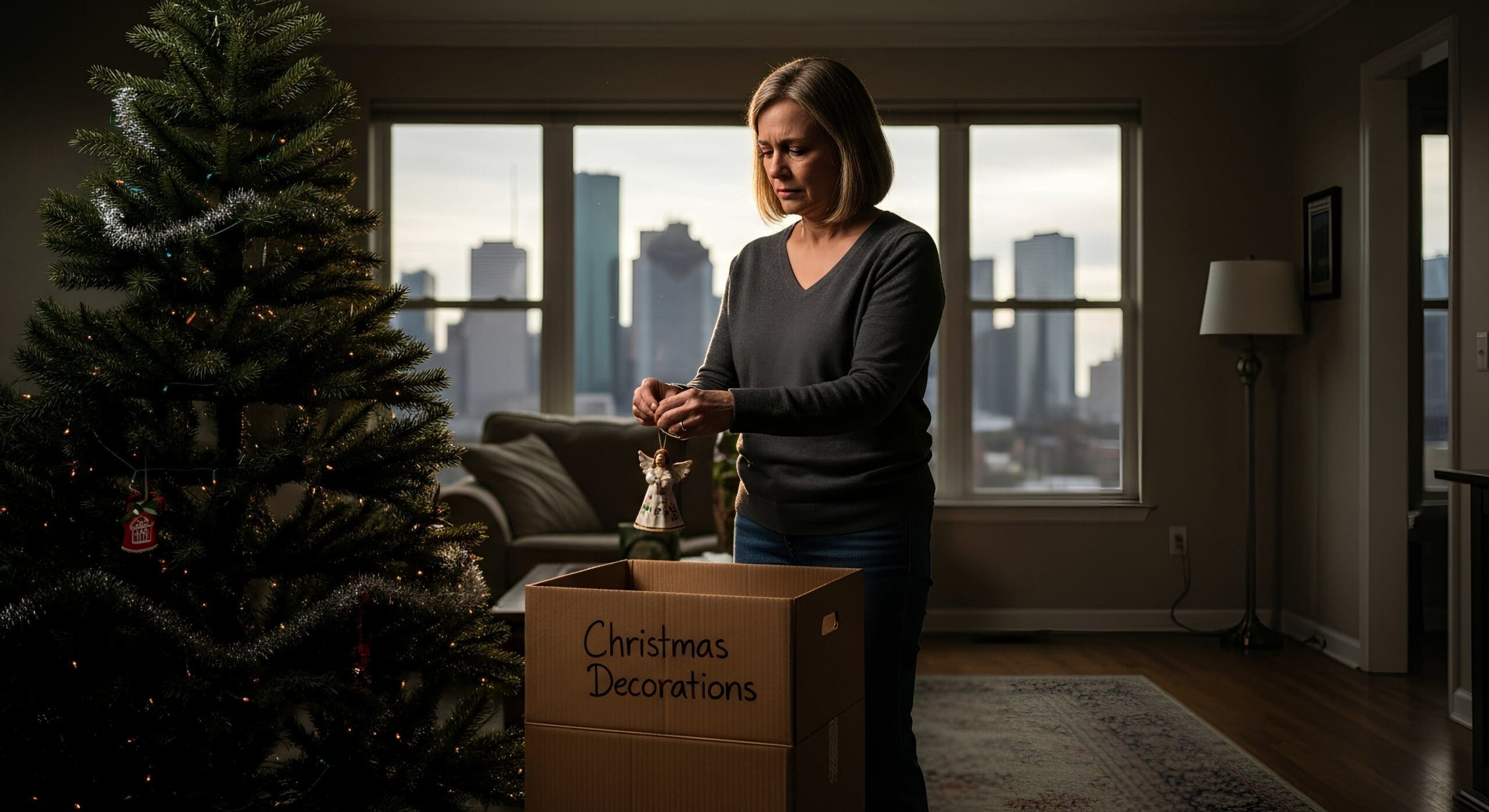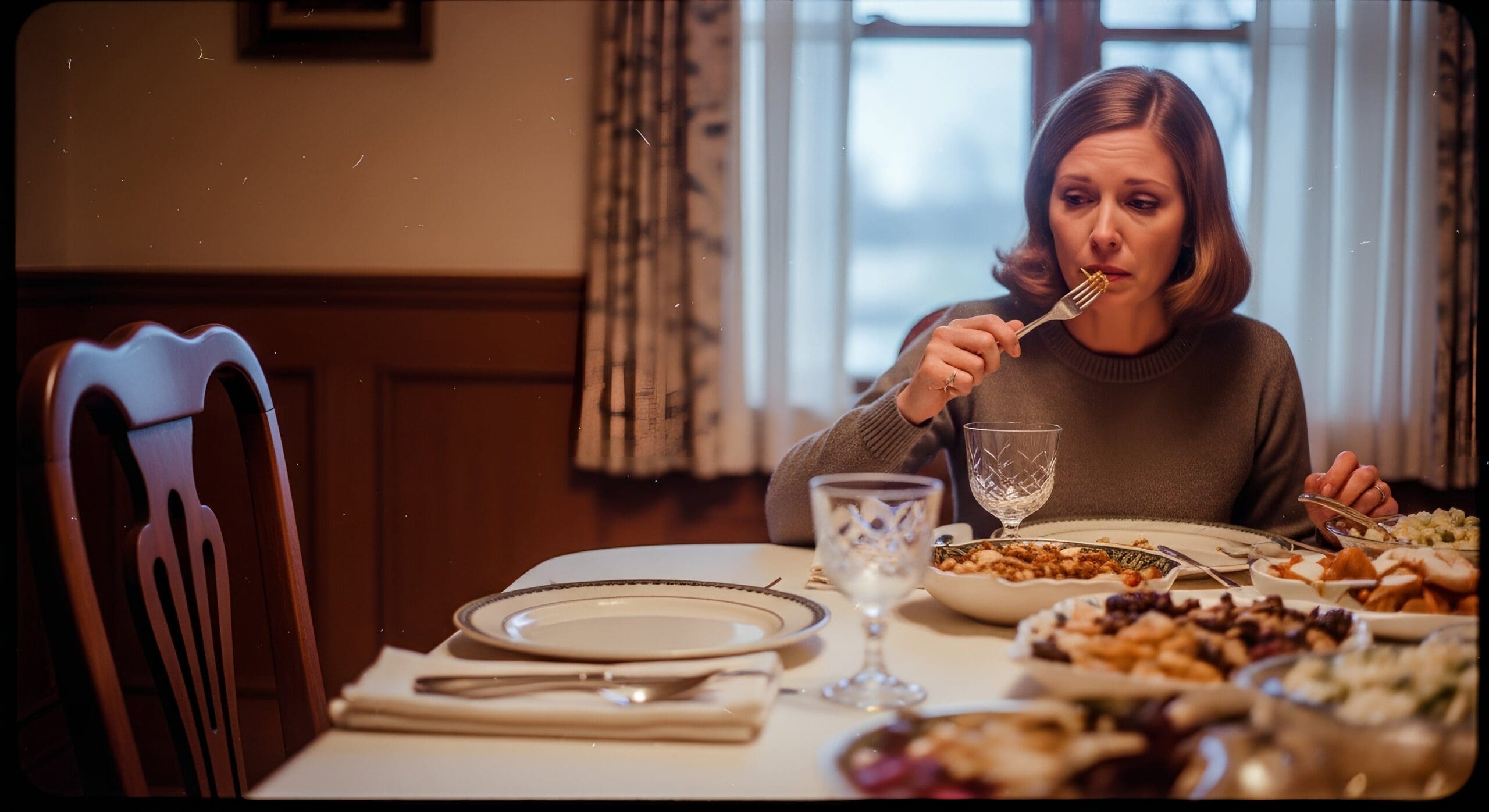



For many of us, the holiday season is a whirlwind of lights, laughter, and leftovers. But once the decorations come down and the reality of a gray January sets in, it’s common to feel a sudden “crash.” The excitement of gift-giving and gatherings fades, leaving behind a quiet house, a lighter wallet, and a return to the daily grind.
This feeling, often called the post-holiday blues, is a very real phenomenon. It’s that heavy, sluggish feeling that makes getting out of bed on a cold morning feel like climbing a mountain. You might feel irritable, anxious, or just plain sad that the festivities are over.
If you are experiencing holiday withdrawal or dreading the return to your inbox, know that you aren’t alone. Even here in Houston, where we skip the blizzards, the emotional toll of the holidays can still lead to a January slump. The pressure to set resolutions, combined with returning to work anxiety, can make the start of the year feel overwhelming rather than fresh. But with a few intentional shifts, you can turn that slump into a soft landing and start your year with clarity and hope.
Is it the Blues or Seasonal Depression (SAD)?
It’s important to distinguish between a temporary mood dip and something more persistent. The post-holiday blues are usually short-lived. They are a reaction to the end of a high-stimulation period and typically fade as you settle back into your normal routine.
However, if your low mood lingers for weeks, affects your daily functioning, or comes with physical symptoms like changes in appetite or sleep, it might be Seasonal Affective Disorder (SAD).
Symptoms of seasonal affective disorder often include:
- Persistent low energy or fatigue
- Difficulty concentrating
- Withdrawal from social activities
- Changes in weight or appetite (often craving carbs)
- Feelings of hopelessness or worthlessness
Understanding the difference between SAD vs. holiday blues is crucial. While the blues can often be managed with lifestyle changes, SAD is a type of clinical depression that may require professional support. A quick mental health check-in with yourself around mid-January is a good idea. If the fog hasn’t lifted, reaching out to a professional can help you determine the best path forward.
Is Blue Monday Real?
You may have heard of “Blue Monday,” supposedly the most depressing day of the year, falling on the third Monday of January. The concept was actually coined by a travel company in a marketing campaign, not by scientists. While the specific date is a myth, the factors behind it—bad weather, post-Christmas debt, and failed resolutions—are real stressors. Don’t let a calendar date dictate your mood; instead, use it as a reminder to be extra gentle with yourself.
Why do I feel sad after the holidays?
It might seem confusing to feel down after such a joyful time, but there is a biological and psychological reason for it. During the holidays, our brains are flooded with dopamine and serotonin from social connection, anticipation, and treats. When that stimulation abruptly stops, our brain chemistry has to readjust, leading to a temporary dip in mood.
Additionally, the holidays can be exhausting. The physical fatigue from travel, cooking, and late nights catches up to us. Combined with the emotional labor of family dynamics or the grief of missing loved ones, it makes sense that our bodies and minds need recovery time.
3 Strategies to Reset Your Routine in January
If you are looking for a mental health reset January is the perfect time to start—but that doesn’t mean you need to overhaul your entire life overnight. Small, gentle changes are more sustainable and effective than drastic resolutions.
1. Prioritize Your Sleep Schedule
Disrupted sleep is a major contributor to post-vacation depression and anxiety. Late-night parties and sleeping in during time off can throw off your circadian rhythm.
- Action Step: gradually shift your bedtime back by 15 minutes each night until you hit your target. Create a calming wind-down ritual, like reading or stretching, to signal to your body that it’s time to rest.
2. Practice Mindful Eating (Not Deprivation)
After weeks of rich holiday food, it’s tempting to jump into a restrictive diet. However, drastic restriction often leads to irritability and fatigue.
- Action Step: Focus on mindful eating. Instead of cutting out food groups, focus on adding nourishing options like seasonal vegetables, fruits, and plenty of water. Listen to your body’s hunger cues rather than following strict rules.
3. Focus on Setting Realistic Goals
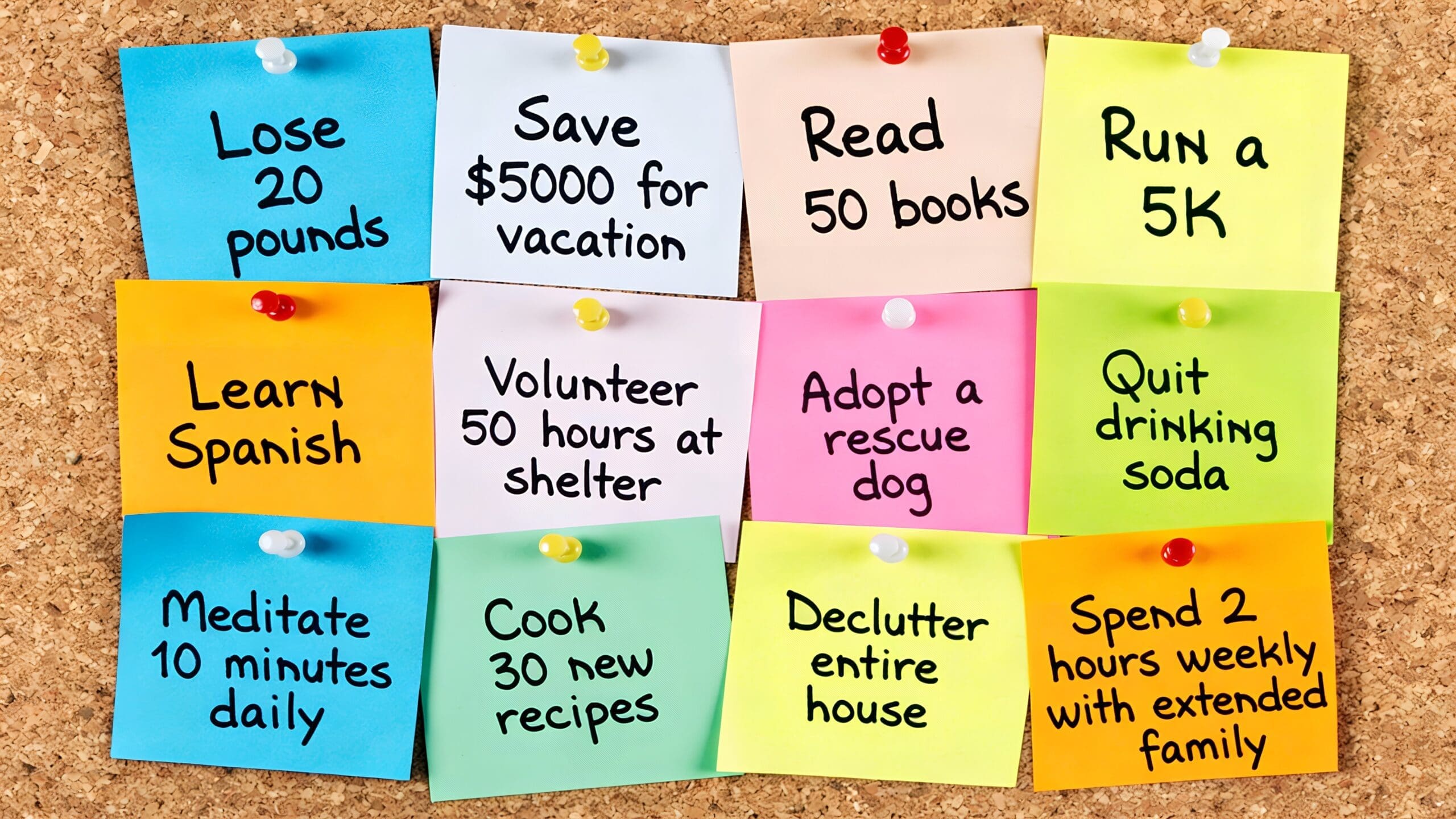
The pressure of “New Year, New Me” can be paralyzing. Setting massive, vague goals often leads to failure and shame by February.
- Action Step: Focus on setting realistic goals. Break big ambitions down into tiny, manageable habits. Instead of “I will get fit,” try “I will walk for 15 minutes after dinner.” Celebrating small wins releases dopamine, which helps combat the blues.
Coping with January Anxiety
For many, the return to work brings a specific type of stress. The inbox is overflowing, projects are launching, and the pace of life accelerates instantly. Coping with January anxiety requires setting boundaries.
- Pace Yourself: You don’t have to clear your to-do list on day one. Prioritize urgent tasks and give yourself grace on the rest.
- Schedule Joy: The fun shouldn’t end on January 1st. Plan something to look forward to later in the month, whether it’s a dinner with friends or a weekend hike. Having something on the calendar keeps the post-holiday emptiness at bay.
- Limit Screen Time: Social media is full of people posting their “perfect” new year starts. If scrolling makes you feel inadequate, take a break.
How to Get Back into a Routine
Routine provides a sense of safety and predictability, which can be very soothing when you are feeling unmoored. How to get back into a routine doesn’t have to be rigid.
Start with the “bookends” of your day. Establish a simple morning routine (like coffee and a stretch) and a simple evening routine. Once those anchor points are set, the middle of the day tends to fall into place more easily. Consistency is key, not perfection. If you miss a day, just pick it up the next.
Finding Support in Texas
Sometimes, despite our best efforts, the heaviness doesn’t lift on its own. If you find yourself struggling to shake the sadness, or if seasonal affective disorder symptoms are interfering with your life, professional support can make a world of difference.
There is no shame in asking for help. In fact, it is an act of courage and self-care. Whether you need therapy in Houston to process holiday family stress, or you are looking for a counseling center near me to help manage anxiety, resources are available.
We understand that seeking help can feel daunting, especially if you are dealing with overcoming holiday stress. Our compassionate team is dedicated to providing counseling for depression Texas residents can trust. We offer a safe, non-judgmental space to explore your feelings and develop tools for resilience.
If you are experiencing burnout from the season’s demands, finding a therapist for burnout in Houston locals recommend can help you reclaim your energy. Additionally, for those seeking community, there are options for a post-holiday support group Texas communities host, offering shared understanding and connection.
Mental Health Resources Houston
We are committed to connecting you with the care you need. Whether you need individual therapy, Seasonal Affective Disorder treatment services in Houston, or general mental health resources in Houston families can access, we are here to guide you.
Mental health tips for the new year are great, but sometimes we need a human hand to hold. If your January blues feel overwhelming, our counselors in Texas are here to help you navigate this transition.
Schedule a Session
With Us Today
Schedule a Session
With Us Today
We're here to start the journey to better mental health with you.
Share
Recent Posts