



Introduction: What “High-Functioning” Anxiety Really Looks Like
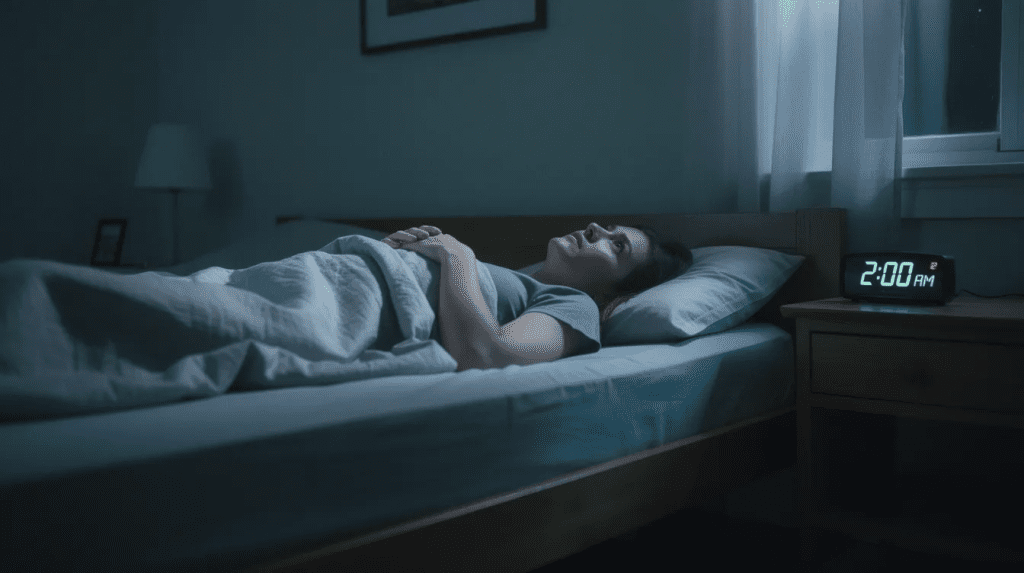
It’s 2:00 a.m. in Houston. You nailed the presentation yesterday. Your boss praised you in front of the entire team. But right now, you’re lying awake replaying a single sentence you said, convinced it sounded foolish. Your jaw aches from clenching. Your mind is running through tomorrow’s to-do list for the third time. From the outside, you look like you have it all together. Inside, you feel anxious almost constantly.
This is what high-functioning anxiety looks like. It isn’t an official diagnosis in the diagnostic and statistical manual, but it describes a pattern where someone appears successful, organized, and capable while privately battling a constant feeling of dread, self-doubt, and worry. Unlike occasional anxiety, which is a normal reaction to a stressful event, this pattern persists. It can cause excessive fear or worry that doesn’t match the actual danger in a situation and can interfere with daily activities over weeks and months.
The numbers are striking. Around 19% of U.S. adults have been diagnosed with an anxiety disorder, and anxiety disorders affect 4.4% of the global population. In Texas specifically, over one in five adults experienced some form of mental illness in the past year. Yet only 27.6% of people with anxiety disorders receive treatment. Many never seek help because their life “looks fine on paper.”
This article walks through seven specific signs that high-functioning anxiety may be running your life, then shows how therapy-including in-person and telehealth options-can help. At Texas Counseling Center, we provide evidence-based mental health services across Houston, Dallas, and all of Texas via secure telehealth.
Sign 1: You Look Calm and Capable, But Your Mind Never Shuts Off
Your brain has 47 tabs open and none of them will close. You replay meetings, overanalyze texts, and rehearse worst-case scenarios before they happen. You worry about making a small email typo, fear you’ve offended someone with a passing comment, wonder if your partner is upset with you, or dread an upcoming event that’s weeks away.
This overlaps directly with generalized anxiety disorder, which affects 3.1% of U.S. adults annually. GAD involves excessive anxiety and unrealistic worry on most days for at least six months about work, health, relationships, and everyday situations. People who live with it often get praised for being “detail-oriented” or “thorough,” while internally they experience a sense of impending danger, trouble concentrating, and exhaustion. Physical symptoms tag along: muscle tension in the jaw and neck, headaches, and difficulty falling asleep.
If this sounds familiar, you’re not broken. Your mind is stuck in overdrive, and talk therapy can help you learn to slow it down.
Sign 2: Perfectionism Drives You, But It’s Never “Good Enough”
High grades, glowing performance reviews, immaculate to-do lists-perfectionism in high-functioning anxiety can look like ambition. But underneath it is usually intense fear of failure, judgment, or rejection rather than healthy drive.
You rewrite emails four times before hitting send. You spend hours on tasks others finish in minutes. You avoid new opportunities unless success feels guaranteed. This pattern makes anxiety worse over time because it reinforces the belief that “if I’m not perfect, something terrible will happen.” It can also spill into depression and burnout.
At Texas Counseling Center, depression and anxiety counseling uses cognitive behavioral therapy to help clients challenge all-or-nothing thinking and set standards that are realistic rather than punishing. Perfectionism is common among people with anxiety disorders and deserves attention before it costs you your well-being.
Sign 3: You Say “Yes” to Everyone and Everything (Even When You’re Drained)
People-pleasing is one of the most overlooked symptoms of anxiety. You volunteer for every PTA event in a Dallas suburb, stay late at your Houston office to fix a colleague’s project, or text back immediately out of guilt-even when you’re running on fumes.
This behavior often stems from social anxiety disorder, which affects 7% of U.S. adults each year. Even people who seem outgoing can carry a deep fear of disappointing others or being seen as “not enough.” The hidden emotional cost is real: resentment, exhaustion, difficulty setting boundaries, and feeling guilty any time you rest. Over time, this chronic stress can disrupt daily life and increase the risk of anxiety disorders diagnosed later.
Setting boundaries can help prevent feeling overwhelmed by anxiety. Therapy teaches assertive communication and helps you tolerate the discomfort that comes with saying “no.”
Sign 4: Your Body Feels the Symptoms of Anxiety Disorders Before You Admit It
High-functioning anxiety often announces itself through the body long before the mind admits there’s a problem. You notice a tight chest, racing heart, upset stomach, or jaw pain that never quite goes away. Anxiety manifests through mental, physical, and behavioral symptoms simultaneously.
Common physical symptoms include headaches, gastrointestinal issues, sweating, trembling, chest pain, heart palpitations, shortness of breath, and difficulty sleeping. Some people mistake panic attacks for heart problems and end up in urgent care. Panic attacks can cause shortness of breath and a racing heart that feel terrifyingly real. Panic disorder involves recurrent, unexpected panic attacks and persistent worry about having more-even in people who are still working and parenting normally.
Underlying health issues can be linked to anxiety, showing physical symptoms that overlap. Chronic pain and underlying medical conditions can worsen anxiety symptoms further. That’s why a thorough evaluation-starting with a primary care provider and then a mental health professional-is essential to rule out a medical health condition and identify an anxiety disorder if one is present.

Sign 5: You’re Always Preparing for the Worst-Case Scenario
You check the news three times before breakfast. You over-research every minor symptom online. You create backup plans for your backup plans. This “what if” thinking-catastrophizing about finances, health, relationships, or job security even when life is stable-is a hallmark of generalized anxiety disorder.
The brain overestimates threat and underestimates your ability to cope. Some vigilance is normal, especially after traumatic events like the pandemic or job layoffs in Texas industries. But when worst-case planning replaces enjoying everyday life, it has crossed from caution into excessive anxiety.
Stress management techniques like thought records and cognitive reframing techniques can help balance risk assessment. At Texas Counseling Center, therapists use these CBT tools to help you evaluate threats realistically rather than telling you to “just stop worrying.”
Sign 6: You’re Highly Productive-But Can’t Relax Without Feeling Guilty
The more you achieve, the more you feel you must keep achieving to earn rest. You check work email at 11 p.m., work through lunch, multitask during a show, and struggle to enjoy weekends. Your sleeping habits suffer because your mind equates stillness with falling behind.
High-functioning anxiety blurs the line between “driven” and “overworked.” Employers reward the behavior while it quietly harms your mental health. This pattern can coexist with depression or burnout, even when you’re technically functioning well in everyday situations.
Therapy approaches that focus on values, self-compassion, and nervous-system regulation-including mindfulness, grounding techniques that help individuals focus on the present moment, and breathing techniques that can calm the nervous system during anxiety-offer a way out. Texas Counseling Center offers telehealth counseling so busy professionals and parents can access support without adding commute time to an already packed day.
Sign 7: Friends Think You’re Fine-But You Feel Like You’re Constantly “On Edge”
There’s a gap between how others see you and how you actually feel. You smile through dinner with friends while internally rehearsing an apology you may not even need to make. You snap at your partner over small things. You cry in private. You feel like you’re holding it together by a thread, carrying an intense fear that one wrong move will unravel everything.
People with high-functioning anxiety often downplay their distress because their life “looks good on paper.” Many delay seeking help until anxiety symptoms escalate into severe anxiety, insomnia, panic attacks, or relationship conflict. But you don’t have to hit rock bottom to start therapy-early support often leads to better outcomes.
If several of these signs feel familiar, consider a professional evaluation. Other symptoms like irritability, difficulty concentrating, and a persistent sense of impending danger are worth paying attention to.
High-Functioning Anxiety vs. Anxiety Disorders: When Is It a Problem?
“High-functioning anxiety” is not listed in the statistical manual used by the american psychiatric association, but many people living with this pattern meet criteria for a diagnosable anxiety disorder. Several types of anxiety disorders exist, including generalized anxiety disorder, social anxiety disorder, panic disorder, separation anxiety disorder, selective mutism, specific phobias (focused fears of particular objects or situations), agoraphobia (the fear of situations where escape may be difficult), and post traumatic stress disorder. Other anxiety disorders can also appear in high-achieving people who look perfectly fine from the outside.
Anxiety becomes a disorder when it is persistent, hard to control, and interferes with work, relationships, or health. Imbalances in brain chemistry can contribute to anxiety disorders, and genetics can play a role in a person’s likelihood of developing them. Environmental factors, difficult life events, and substance abuse are also known risk factors that can trigger anxiety disorders.
Anxiety disorders can increase the risk of depression and other mental health conditions, which is why early treatment matters. The good news: anxiety disorders are among the most treatable mental disorders with evidence-based care.

How Therapy Can Help You Manage High-Functioning Anxiety
Effective treatments for anxiety disorders include psychotherapy, lifestyle changes, and when appropriate, medication. Cognitive behavioral therapy (CBT) is effective for anxiety disorders-it helps you identify anxious thought patterns, test them against evidence, and practice new behaviors. Antidepressants are commonly used to treat anxiety disorders as well, and a psychiatric provider can help determine if medication is right for you.
Texas Counseling Center also offers EMDR treatment for trauma-linked anxiety and teen therapy for adolescents under academic or social pressure. Therapy sessions typically involve collaborative goal-setting, learning coping tools, tracking anxiety symptoms between sessions, and building skills that reduce anxiety over time. Some clients also benefit from medication management with a psychiatric provider, especially for moderate to severe anxiety. Benzodiazepines are not recommended for long-term anxiety treatment due to dependency risks.
Evidence-Based Approaches We Use at Texas Counseling Center
Texas Counseling Center relies on research-supported treatments for anxiety disorders. CBT includes exposure therapy, which helps reduce anxiety by facing fears gradually in a safe, structured environment. Exposure therapy is a type of CBT for anxiety treatment that has decades of evidence behind it. Cognitive reframing techniques can aid in managing anxiety by helping you see situations more accurately rather than through the lens of catastrophe.
EMDR therapy is an option when anxiety is linked to trauma, accidents, or difficult life events. It helps the brain reprocess distressing memories so they no longer fuel daily anxiety. For clients with co-occurring depression, ADHD, or trauma, an integrated plan combining therapy, medication, and lifestyle support is often most helpful. Organizations like the National Institute of Mental Health endorse CBT and related therapies as first-line treatments for anxiety disorders, and ongoing clinical trials continue to improve how we treat anxiety disorders.
Self-Help Strategies to Support Your Therapy
Self-help strategies do not replace therapy for mental health disorders, but they can complement professional care. Effective anxiety management includes a combination of physical health and mindfulness practices.
Practical tools to discuss with your therapist include:
- Deep breathing exercises can calm the body’s physiological response to stress
- Progressive muscle relaxation to release stored tension
- Practicing mindfulness can break the cycle of anxious thoughts
- Regular exercise, which acts as a powerful stress reducer
- Journaling can help release pent-up anxiety and clarify thinking patterns
- Meditation can lower anxiety symptoms effectively
- Yoga is a beneficial self-care practice for anxiety and nervous-system regulation
Limiting stimulants like caffeine can help manage anxiety symptoms, and reducing alcohol intake can prevent anxiety from getting worse-especially for people prone to panic attacks. Build a supportive routine with consistent bedtimes, short breaks during work, and less late-night news consumption. Texas Counseling Center therapists personalize these strategies so they’re realistic for each client’s life.
When to Seek Professional Help (And What to Expect)
Seek help if anxiety feels out of control, lasts weeks or months, affects your sleeping habits or health, or strains relationships or work. Many people feel anxiety about starting therapy-and that is completely normal.
Health care providers ask about symptoms and medical history for diagnosis. No lab test exists to diagnose anxiety disorders, so a mental health provider relies on conversation, observation, and sometimes a psychological evaluation. At Texas Counseling Center, an initial session involves sharing your history, discussing symptoms of anxiety, setting goals, and deciding whether in-person or telehealth fits best.
We also offer specialized services when relevant: ADHD evaluation and adult autism testing if focus or sensory issues are part of the picture, relationship and marital counseling when anxiety strains partnerships, and emotional support animal evaluations when appropriate.

Conclusion: You Don’t Have to Keep “Holding It All Together” Alone
High-functioning anxiety is common, draining, and frequently invisible to the people around you. Recognizing the seven signs in this article is a positive first step-not a reason for shame. Whether you seek in-person therapy in Houston or Dallas, or connect via telehealth from anywhere in Texas, effective help is available that can reduce anxiety symptoms and improve your daily life. Even if anxiety has been your companion for years, change is possible.
Share